From policy to practice: Why inclusion provision and SEL interventions matter for every child achieving and thriving
Information on SEND reform for those leading and working in mainstream primary schools.
The Government’s schools white paper, Every Child Achieving and Thriving, sets out a ten-year vision for education, aiming to create a system where high standards and inclusion go hand in hand.
Central to this vision is a commitment to ensuring that children with additional needs are seen, supported and included within mainstream education wherever possible. But policy alone cannot create belonging. The reality of inclusion is shaped every day in classrooms, corridors and intervention spaces across schools.
For this vision to succeed, schools need strong in-school inclusion provision, nurture bases and structured Social and Emotional Learning (SEL) interventions to support children whose needs extend beyond the curriculum. Crucially, this must be an extension of a whole-school culture, approach and relational focus that benefits all children.
Inclusion must be real, not just promised
The white paper speaks of moving education from ‘sidelined to included’, ensuring that children who have previously struggled to access education feel supported and engaged. Yet many children currently at risk of exclusion experience:
Without targeted relational support, these experiences often lead to disengagement, absence or exclusion. In-school inclusion provision provides a vital bridge between support and belonging.
The role of nurture bases and inclusion spaces
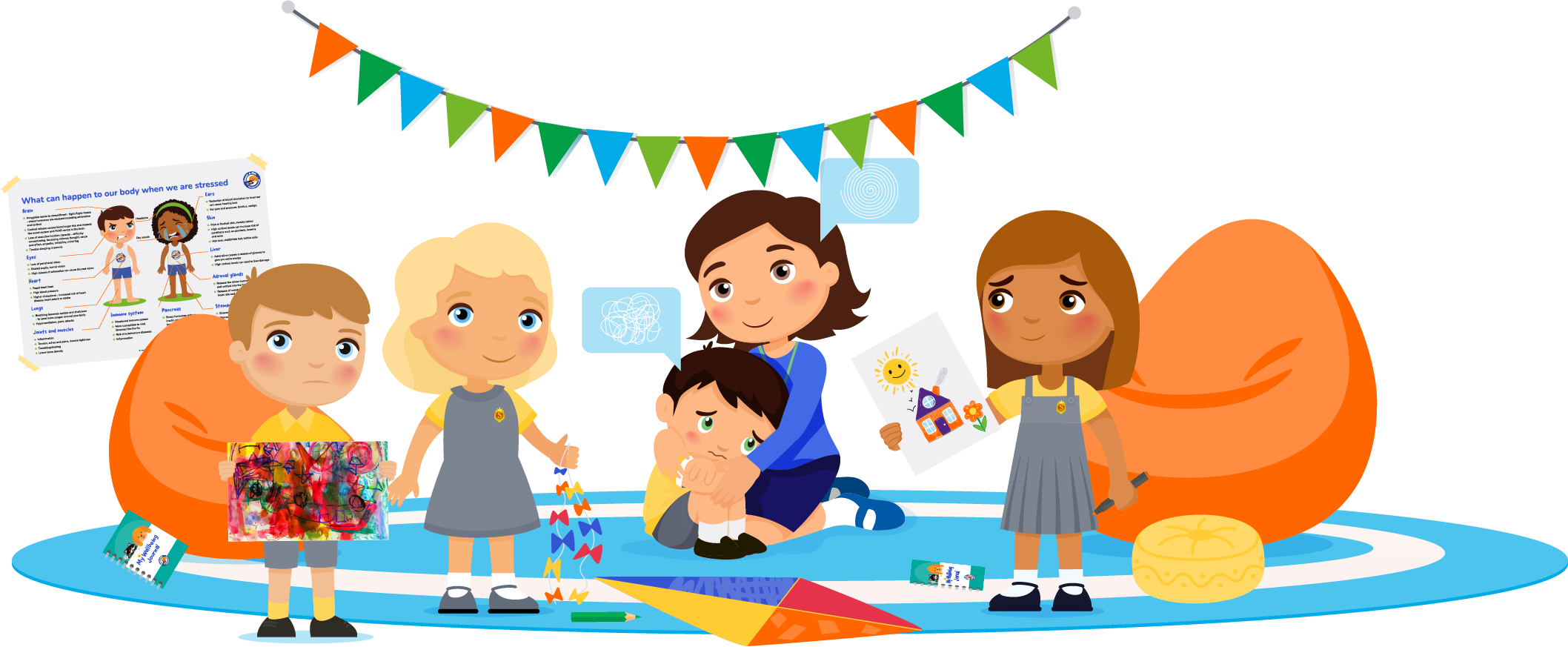
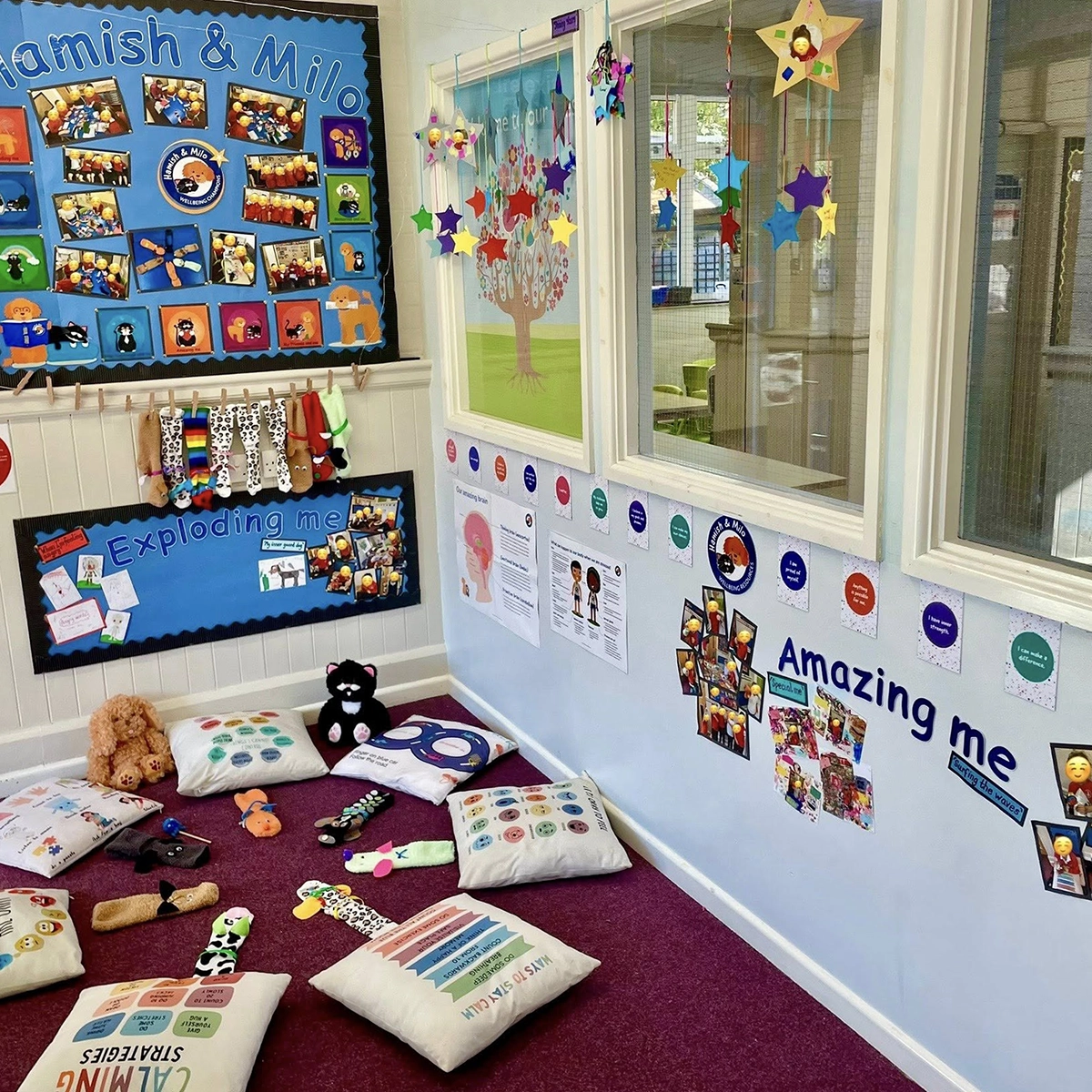
Across many schools, nurture bases and inclusion rooms are becoming powerful environments for change. When designed well, these spaces provide:
Crucially, they offer children something many have not consistently experienced; trusted adult relationships.
In these environments, adults prioritise:
As trust grows, children begin to re-engage with learning and within small group environments, can build peer relationships too, which are central to a real sense of belonging and feeling part of the school community.
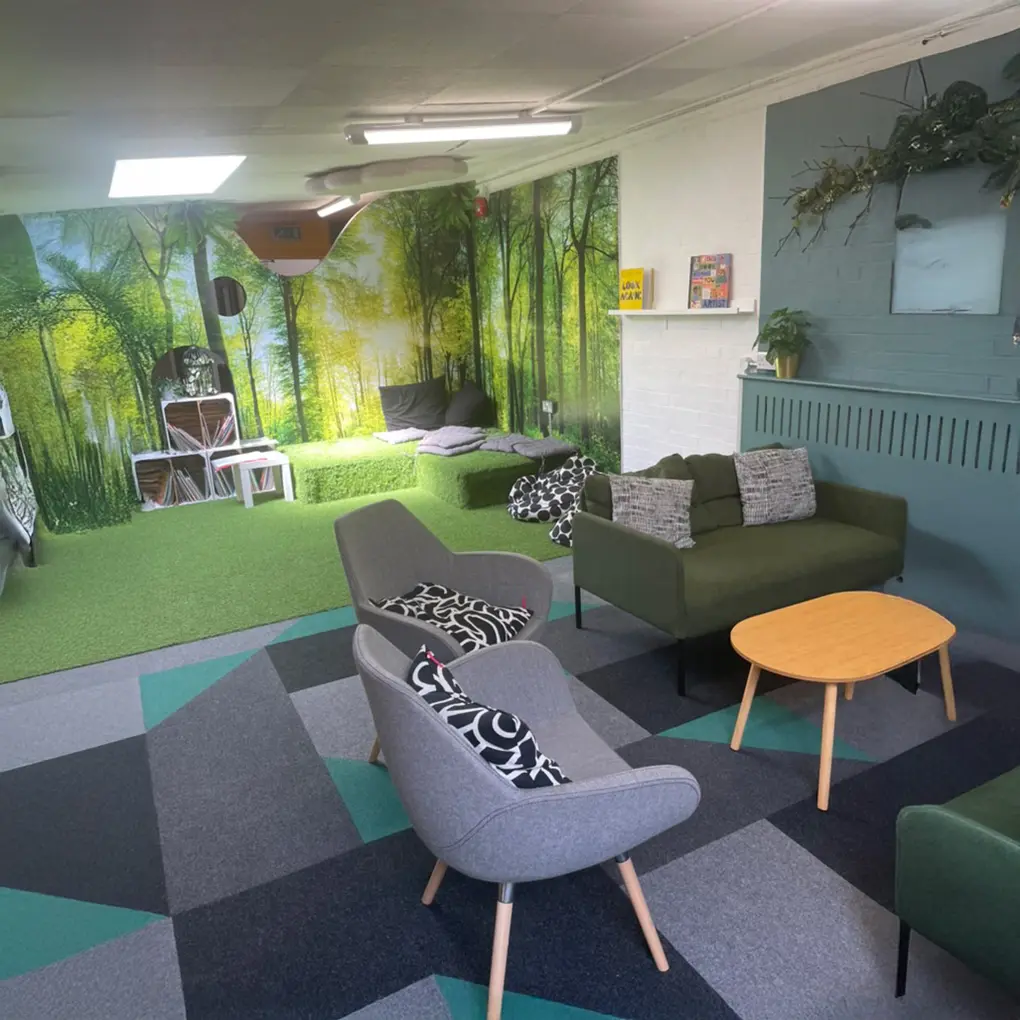
Social and emotional skills are foundational learning skills
Children are often expected to arrive at school equipped with the skills required for learning. Yet many young people have not had consistent opportunities to develop core social and emotional capabilities such as:
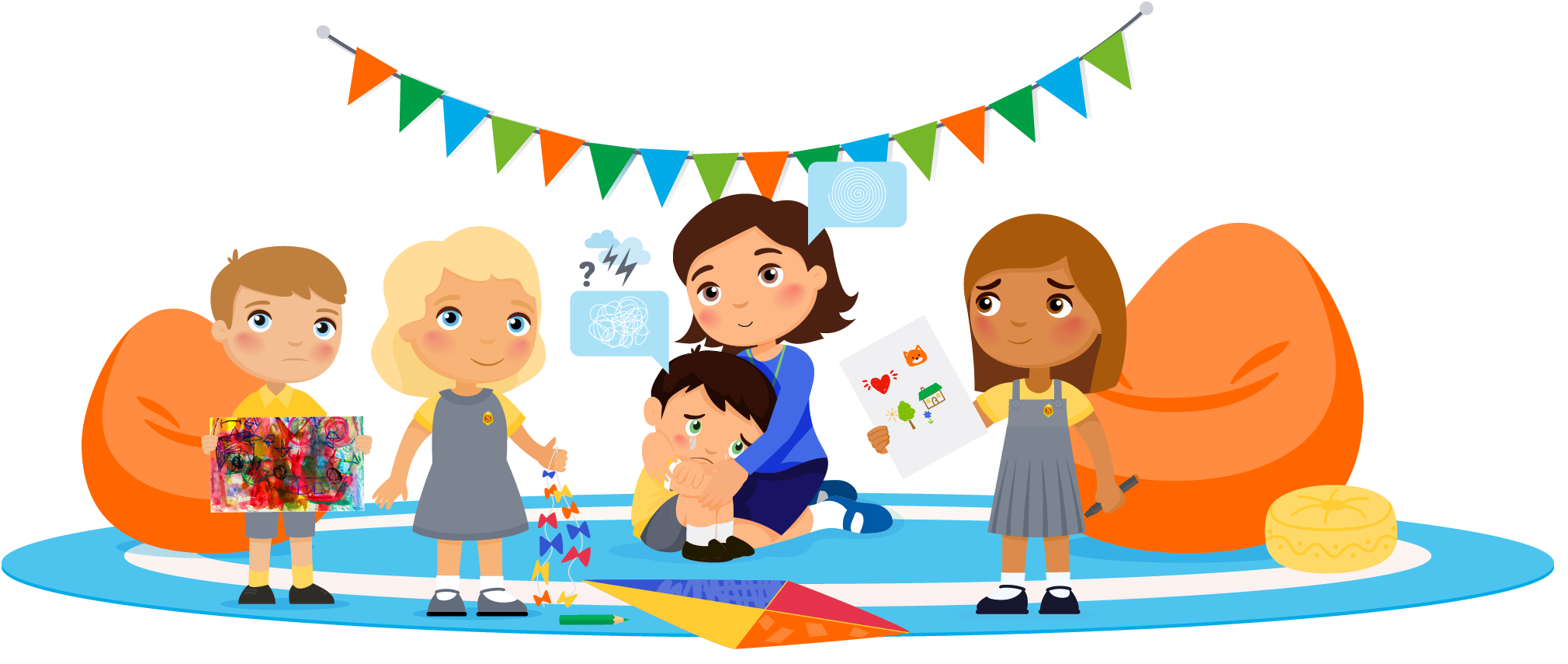
These are developmental skills that require teaching, modelling and practice within a safe and non-judgemental environment. Structured SEL interventions create opportunities for children to:
When these skills develop, children are better able to access learning and gain the skills they need beyond education.
The power of trusted adults
One of the most important aspects of successful inclusion provision is the adults delivering it. Teaching Assistants, pastoral staff and nurture practitioners are often the professionals who:
These adults frequently become the trusted relational anchors children rely on. When a child feels seen, understood and supported by a consistent adult, their relationship with school begins to change. School shifts from being a place of stress to a place of safety.
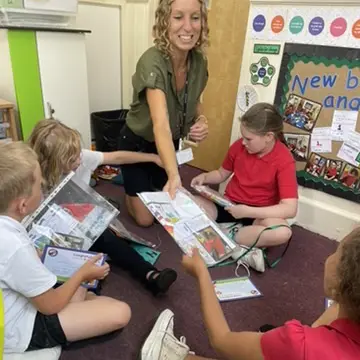
Hamish & Milo: A therapeutic SEL intervention
Hamish & Milo was created to support schools in delivering therapeutic, relational SEL intervention programmes within inclusion provision and nurture settings. The programme helps children develop key social and emotional skills, including:
Sessions are structured but relationally led, creating a space where children feel safe enough to explore their emotions and experiences, and to feel truly heard and understood.
Hamish & Milo programmes are designed to be delivered by Teaching Assistants and pastoral teams, recognising the vital role they play in supporting inclusion. This ensures that interventions are:


Preventing exclusions through early intervention
Many exclusions are preceded by a long period of unmet emotional and relational needs. By investing in nurture provision and structured SEL interventions, schools can intervene early to support children who are struggling. This helps:
Most importantly, it helps children feel that they belong in school.
Belonging is the foundation of achievement
The ambition of SEND Reform 2026 is clear: an education system where every child has the opportunity to succeed. But thriving children are not created through attainment measures alone. They thrive when they experience:
When schools invest in inclusion provision, nurture bases and relational SEL interventions, they create the conditions where children can say: “This is a place where I belong.”
When children feel they belong, they begin to believe that they can achieve.