98.7% of parents and carers said Families Together had been beneficial for them and their child
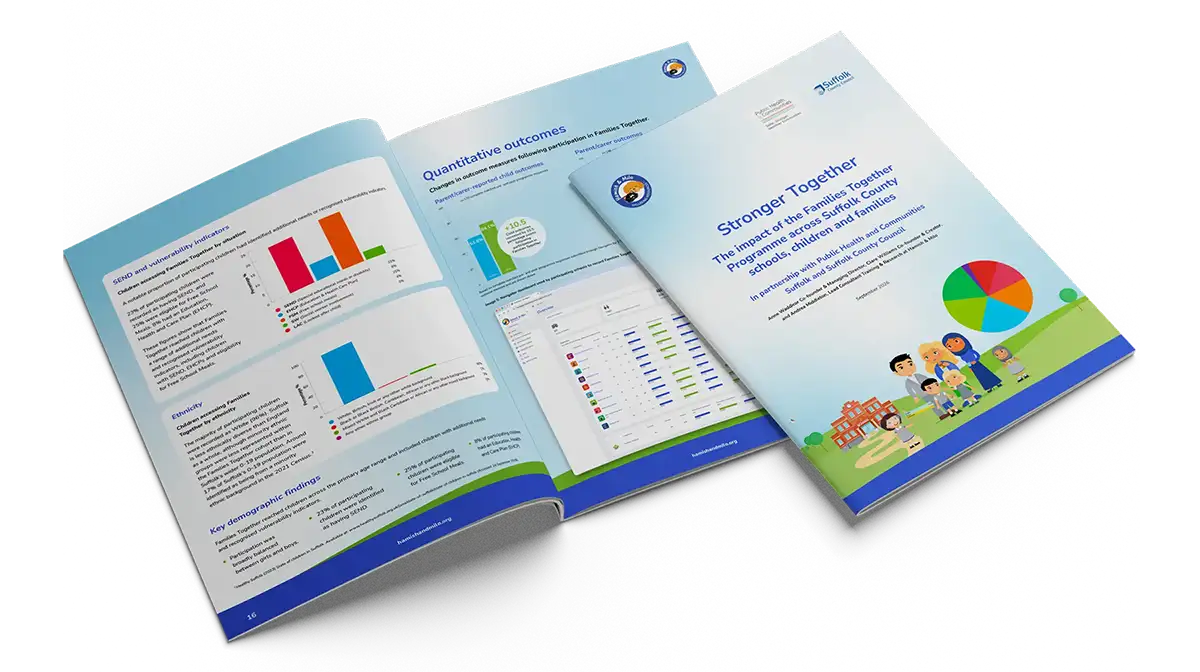
Between September 2025 and September 2026, Public Health Suffolk funded the delivery of the Hamish & Milo Families Together programme across Suffolk primary schools.
The programme aimed to strengthen relationships between schools, families and children through structured parent/carer and child group sessions focused on social and emotional wellbeing.
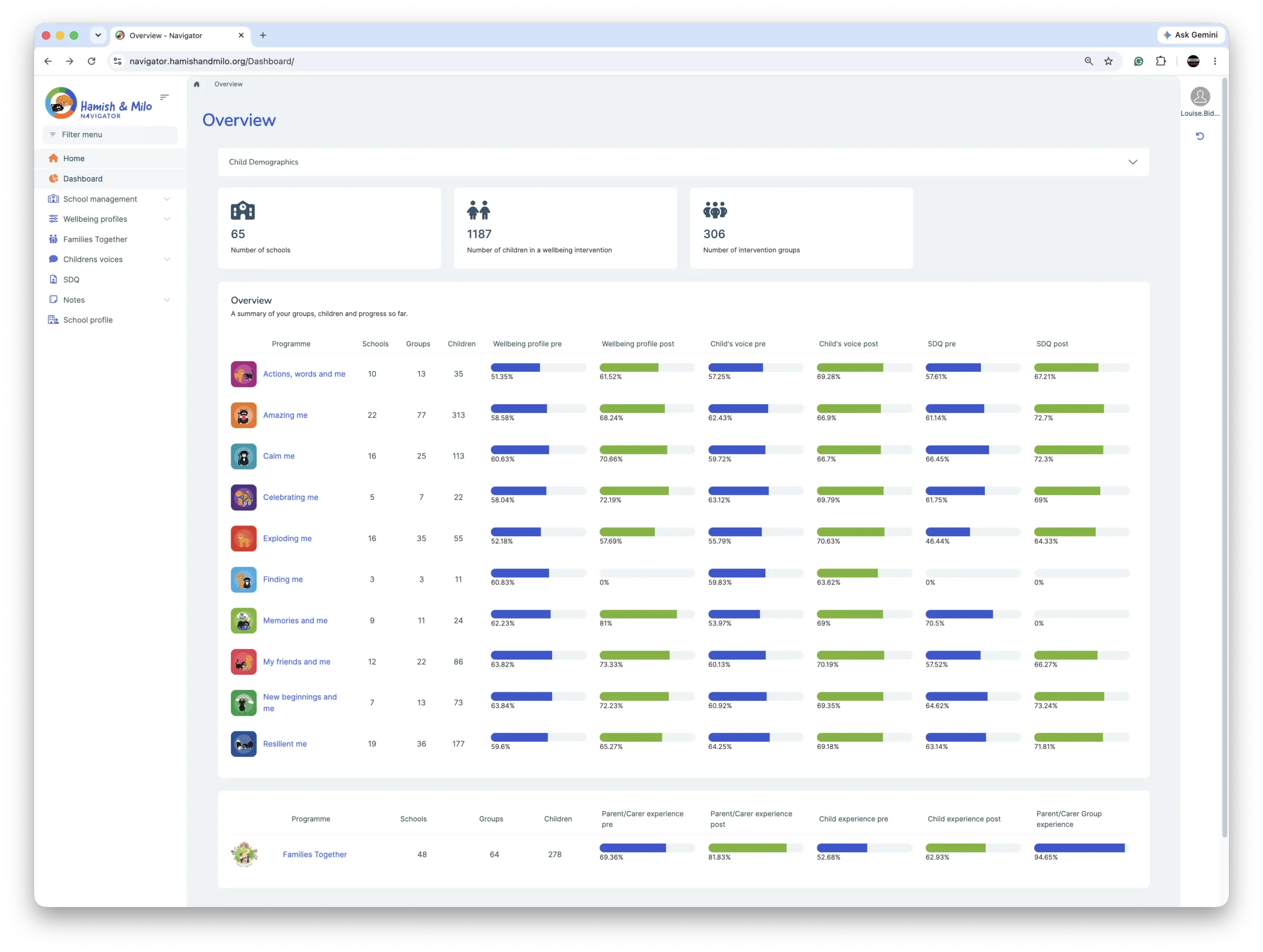
100 Suffolk County Council primary schools were offered funded access to Families Together. Complete Families Together data was submitted by 48 schools, representing 64 groups and 278 participating children. Schools from every district were represented, across urban, rural and coastal communities throughout Suffolk.
A notable proportion of participating children had identified additional needs or recognised vulnerability indicators: 25% were eligible for Free School Meals, 23% were recorded as having SEND, 8% had an EHCP and 4% had social worker involvement.
The report sought to answer the following questions:

Key quantitative findings
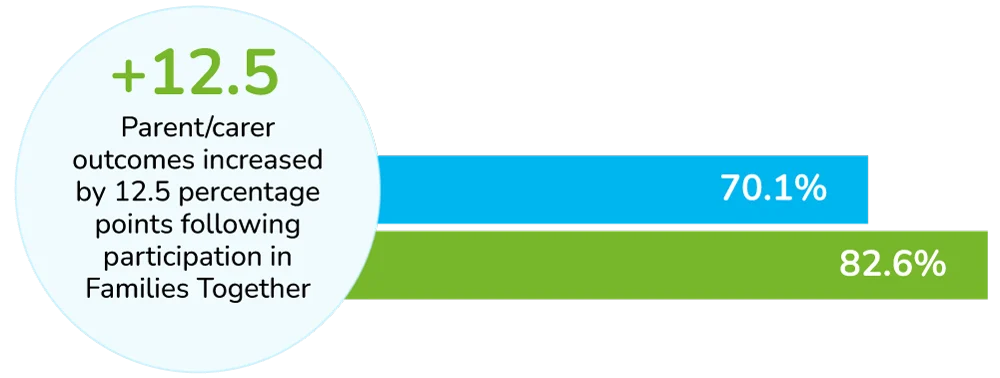
n=186 complete matched pre- and post-programme responses
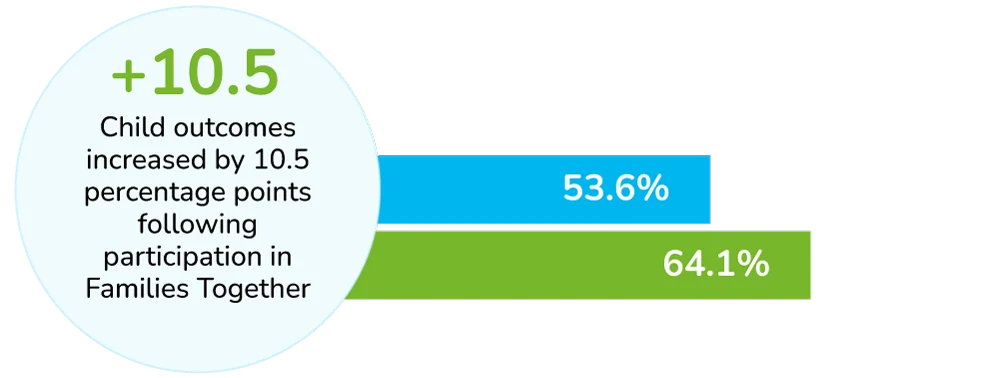
n=170 complete matched pre- and post-programme responses

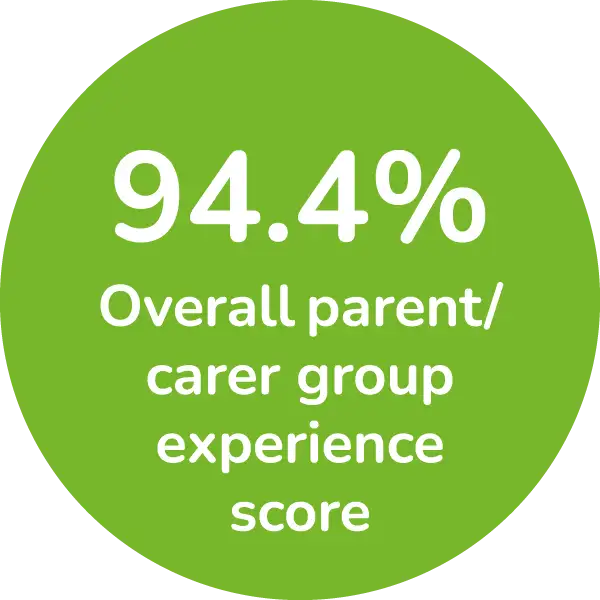
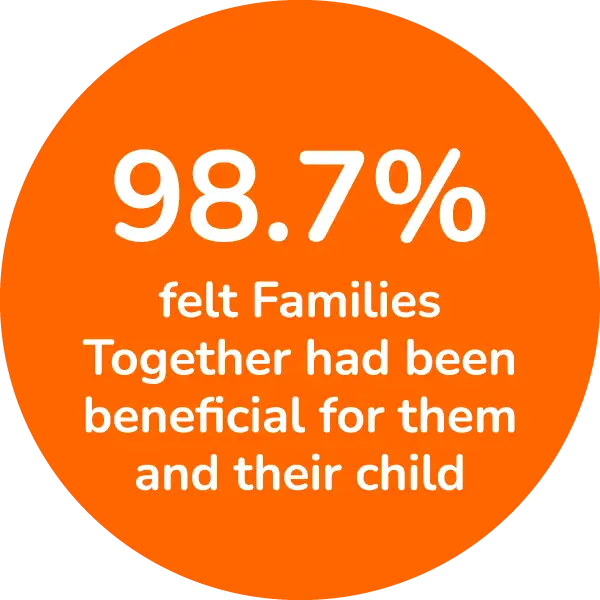
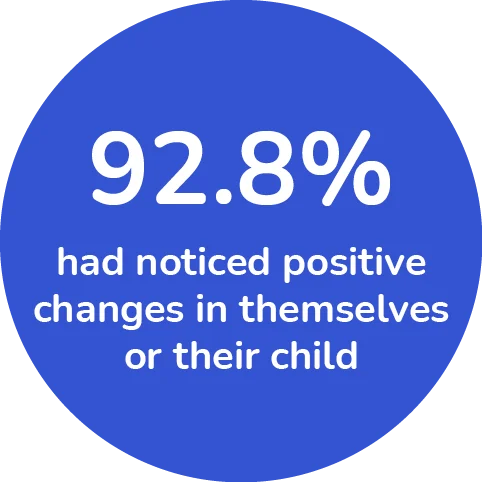
Key qualitative themes
Feedback from parents, carers and school staff highlighted consistent themes around connection, confidence, emotional understanding and relationships. Staff also described wider changes in family engagement and school practice.
1. Understanding behaviour and responding differently
Parents and carers described greater understanding of what lay behind their child’s behaviour and emotions, alongside increased confidence in responding with validation and calm.

2. Creating time to reconnect
Parents and carers valued the dedicated time with their children to talk, have fun and reconnect. They described better communication and stronger relationships with their children.

3. Social connection and reduced isolation
Parents, carers and staff described new connections forming between parents and carers, reduced feelings of isolation and the creation of peer support networks that, in some cases, continued beyond the programme.

4. Rebuilding trust between families and schools
School staff reported increased trust and engagement with families, including those who had previously found it difficult to engage with school. Staff also described gaining greater insight into families’ circumstances and needs.
5. Learning that travelled home
Parents and carers described putting communication, emotional validation and regulation strategies into practice at home, while staff reported positive changes in relationships and behaviour.
6. Influencing wider school practice
School staff described greater confidence in working with parents and carers, deeper understanding of family context and wider changes to family engagement practice, including further groups and new opportunities for parents to connect.

Reach and participation
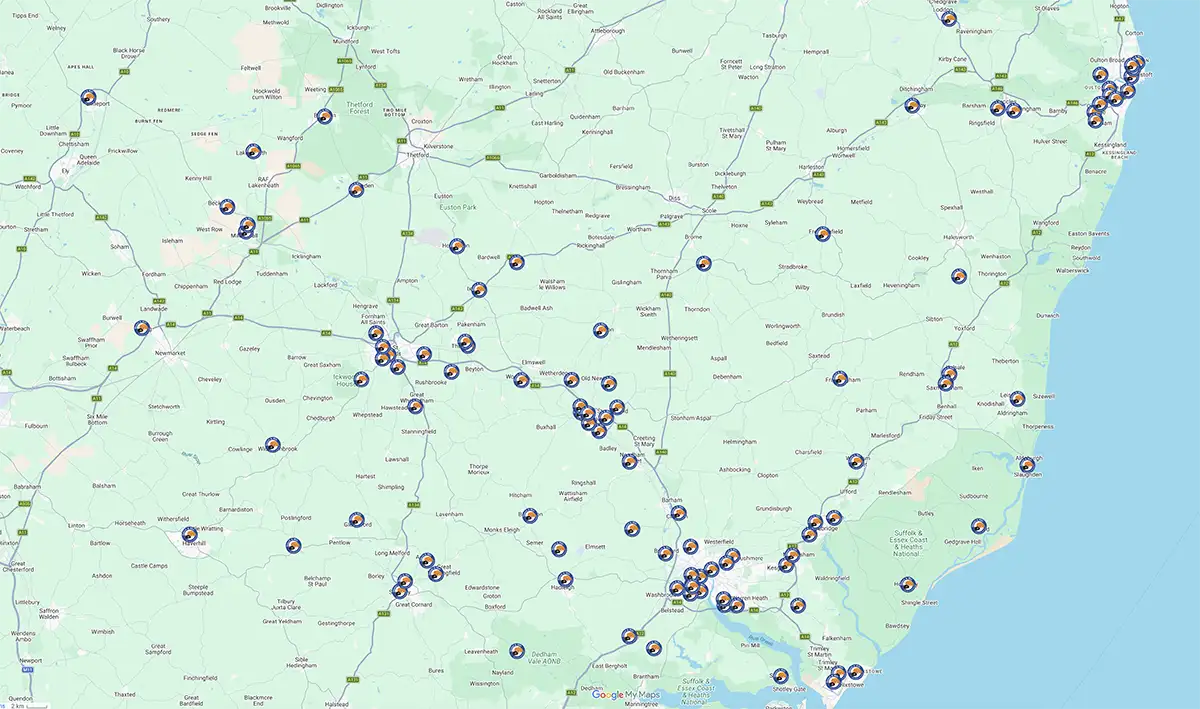
Participating Suffolk County Council schools in the Families Together programme project.



Schools participated from every district across Suffolk.
The findings presented in this section are based on data available at the evaluation cut-off date and provide an overview of the children and families who participated in Families Together groups across Suffolk.
At the time of analysis, complete Families Together data had been submitted through Navigator by 48 schools. Some participating schools delivered multiple Families Together groups during the project period.
Participation was achieved across urban, rural and coastal communities throughout Suffolk.