
Social, emotional and mental health (SEMH) in the early years
Understanding needs, strengthening relationships and supporting children early.
The early years provide an important opportunity to recognise children’s emerging social, emotional and mental health (SEMH) needs and provide timely, developmentally appropriate support.
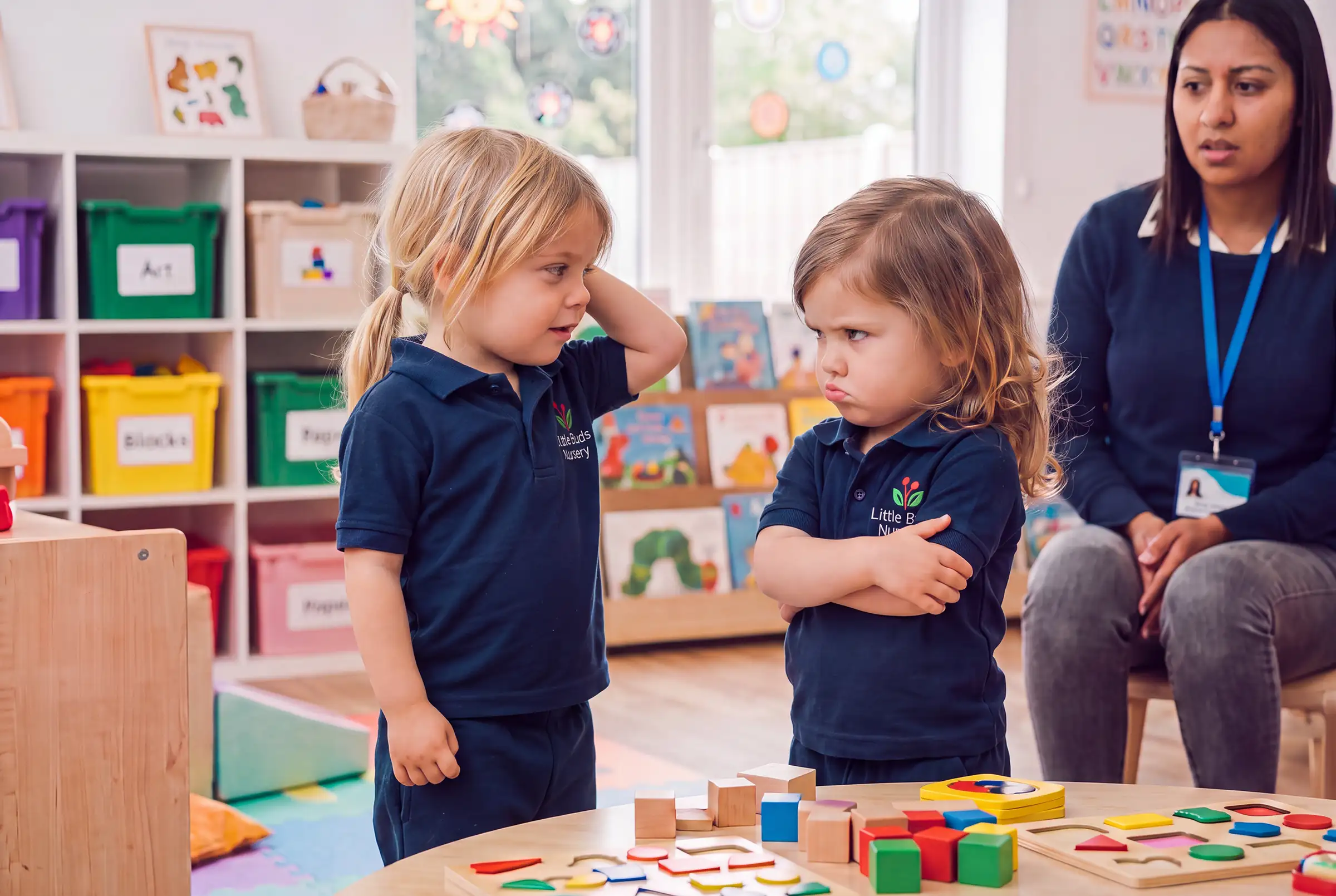
Young children communicate through everything they do. Sometimes that communication is easy to understand but sometimes it is more difficult to know the underlying need. A child who becomes overwhelmed, struggles to separate from their parent or carer, finds it difficult to join a group, repeatedly falls out with other children or reacts intensely to frustration may be communicating something important about how they feel and what they need.
At Hamish & Milo, we believe that behaviour is communication. Rather than asking “How do we change this child’s behaviour”, we need to ask “What is this child trying to communicate, and what support might they need?”
Recognising emerging SEMH needs in the early years
Young children are still developing the emotional and social skills they need to understand themselves, regulate their emotions, communicate their needs and build relationships.
Experiencing big feelings, finding transitions difficult or needing adult support to manage frustration are natural aspects of early childhood development. However, when difficulties are persistent, particularly intense or create barriers to participation, relationships and learning, children may benefit from additional support. Emerging SEMH needs may be reflected in difficulties with:
The aim is not to label young children, but to be curious about their experiences and what they are communicating, recognise their strengths, and seek to understand and respond to any unmet needs.
By considering the relationships, experiences and environments around the child, practitioners can provide appropriate support and strengthen the protective factors that underpin emotional wellbeing.
Understanding behaviour as communication
A relational approach begins with curiosity.
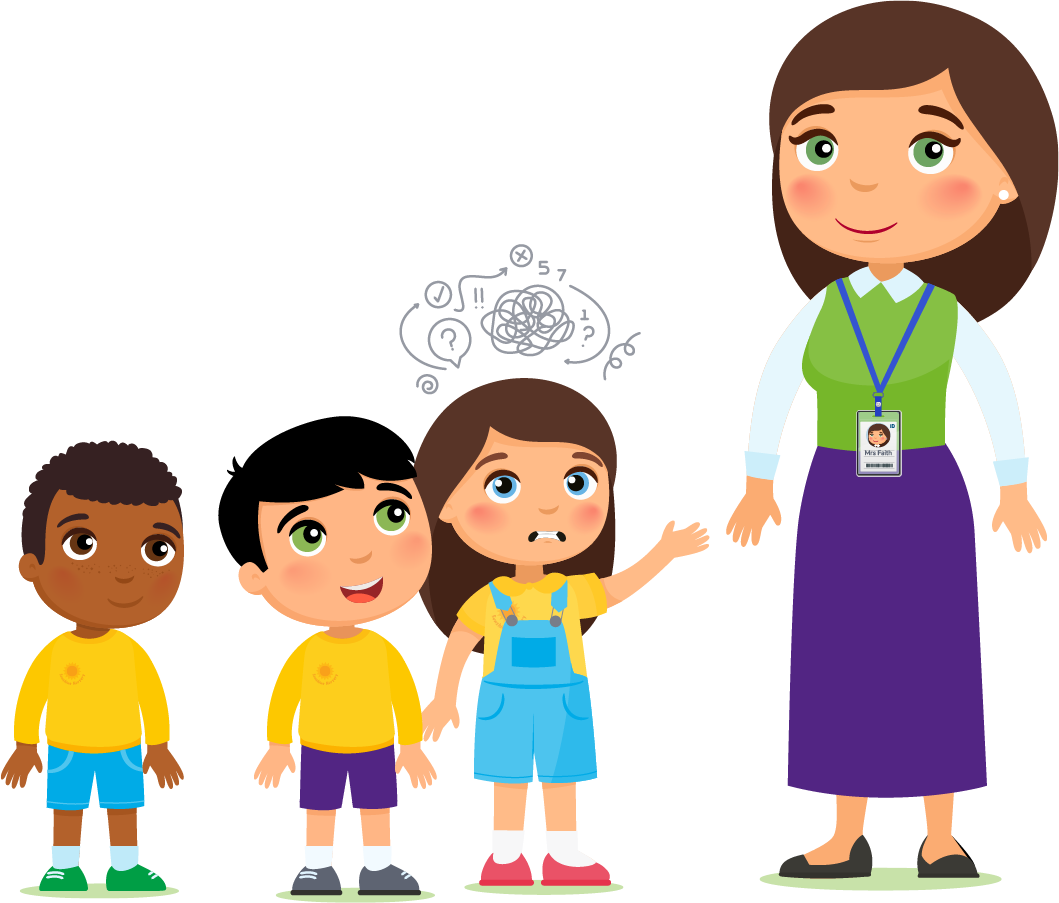
Rather than describing a child’s presenting behaviours as ‘difficult’ or ‘challenging’, we need to consider what might be happening beneath the behaviour, taking into account their developmental stage, individual needs, experiences and environment. We might begin by asking:
This shift in perspective can transform how adults respond. When we understand behaviour as communication, we are better able to respond with empathy, sensitivity, consistency and appropriate support.

Co-regulation comes first
Young children cannot be expected to independently manage emotions that they are still learning to understand. They need emotionally available adults who can help them feel safe, understood and supported.
What is co-regulation? Co-regulation is the process through which a calm, emotionally available and responsive adult supports a child to recognise, understand and manage their emotions, stress responses and behaviour.
Through a relationship built on safety, trust and connection, the adult provides the reassurance, emotional containment and support that helps the child move towards a state of emotional regulation. Over time, repeated experiences of co-regulation support the development of neural pathways, emotional awareness and the skills children need to increasingly regulate themselves independently.
Through co-regulation, a trusted adult can provide:
Over time, these repeated relational experiences help children develop their own capacity for self-regulation. We regulate together before children can increasingly regulate for themselves.
The role of the adult is therefore central to supporting children experiencing emerging SEMH needs.
Building the foundations of emotional wellbeing
SEMH support in the early years is not simply about managing presenting behaviours. It is about strengthening the underlying emotional and social capacities, relationships and protective factors that support children’s wellbeing.
Children may need additional opportunities to develop:
These are the same foundational skills that benefit every child through personal, social and emotional development (PSED), but they can become particularly important for children experiencing greater barriers to participation, emotional wellbeing and relationships.
A graduated approach to SEMH support in the early years
Effective SEMH provision begins with a strong universal foundation, alongside additional and targeted support that responds to the individual needs of children.
Universal provision
All children benefit from emotionally safe environments, strong positive relationships, shared emotional language and opportunities to develop their PSED skills through everyday practice.
Additional support
Some children may benefit from small-group experiences, targeted emotional literacy activities, additional co-regulation, nurture-based support or enhanced transition support.
Targeted early intervention
Where emerging or persistent SEMH needs are identified, structured, relational interventions can provide more focused opportunities to develop emotional understanding, regulation, confidence and relationships.
Where SEN support is required, the graduated approach follows an ongoing cycle of assess, plan, do and review, enabling practitioners to respond to children’s individual needs, evaluate the impact of provision and adapt support as their understanding of the child develops.
Support should be informed by observation, understanding the individual child, working in partnership with families and regularly reviewing how well provision is meeting their needs.
The intention is to provide the right support at the right time, while continuing to see the whole child rather than defining them by their difficulties.
The importance of early identification and intervention
The earlier we notice emerging need, the greater the opportunity to support children within their everyday relationships and environments.
Early years practitioners are often among the first adults outside the family to notice changes in a child’s emotional wellbeing, behaviour, communication or relationships. This makes early years settings an important part of early identification and early intervention. Early support does not have to begin with a formal assessment or diagnosis. It can begin with:
These small relational experiences, repeated consistently, can become significant developmental building blocks.
Where children experience more significant or persistent difficulties, further assessment and specialist support may also be appropriate.
Supporting inclusion and belonging
Children experiencing SEMH difficulties can sometimes become defined by what they find difficult.
We believe in starting from a strengths-based perspective:
By recognising children’s strengths and adapting the environments and experiences around them, we can help reduce barriers to participation and create a greater sense of inclusion.
We believe every child should experience being safe, seen, heard, valued, included and important.
Supporting early years practitioners
Effective SEMH provision begins with confident, relational and emotionally available adults.
Practitioners need opportunities to develop their knowledge and understanding of:
The goal is not to create a separate SEMH response that sits outside everyday practice, but to strengthen the capacity of the setting to understand, support and include every child.
Supporting SEMH needs with Hamish & Milo Foundation
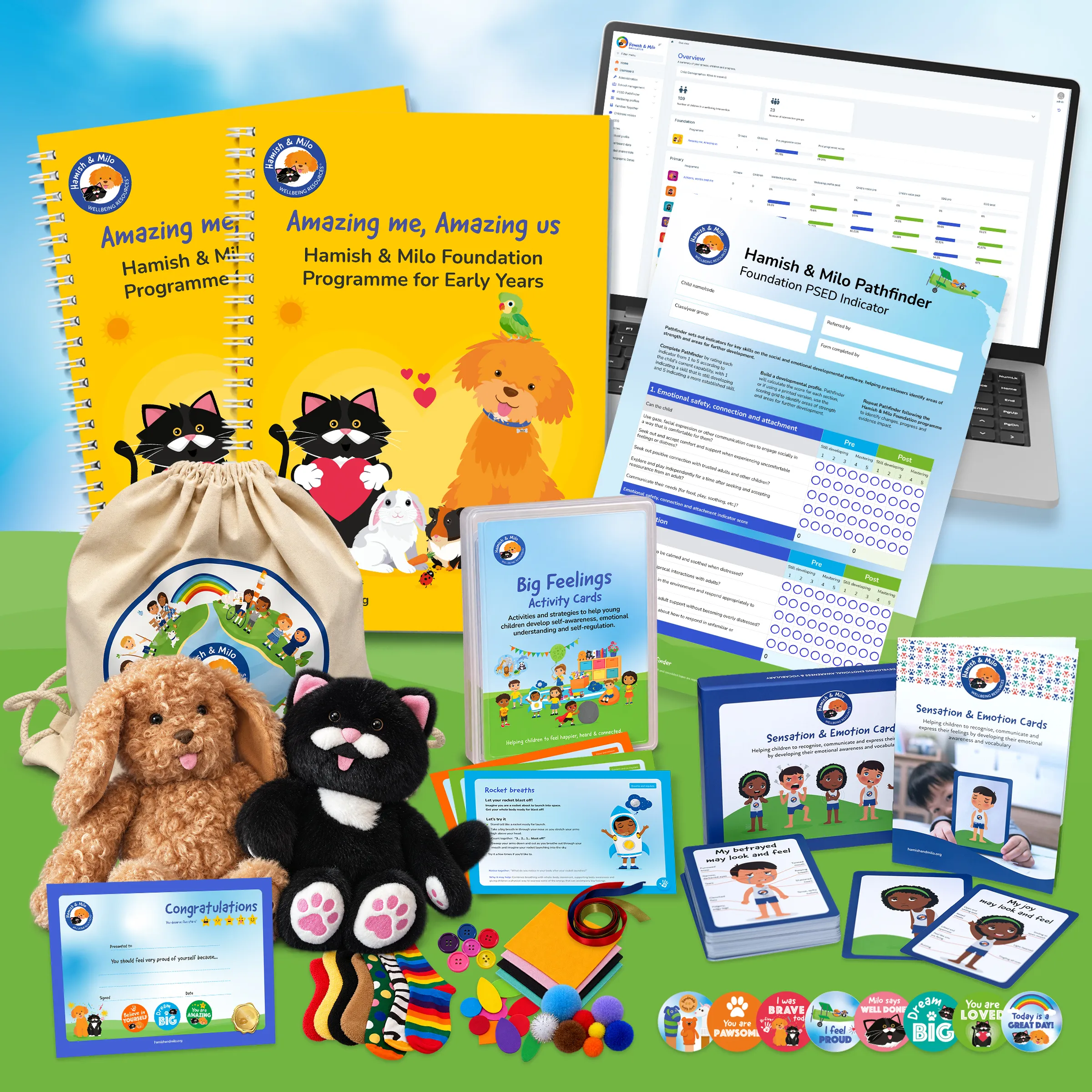
Designed for nursery and reception children aged three to five, Hamish & Milo Foundation provides a structured, playful and relational approach to personal, social and emotional development.
Our approach provides a structured ten-week pathway through self-awareness, self-regulation, managing self and building relationships, supporting universal provision as well as small-group, nurture, inclusion, transition and early intervention support.
Through creative activities, puppets, movement, sensory experiences, emotional check-ins and guided interaction, children have meaningful opportunities to explore their feelings, develop emotional literacy and practise new skills within safe, supportive relationships.
By recognising emerging needs, strengthening relationships and providing appropriate support from the earliest years, we can help children build the emotional and social foundations they need throughout life and learning.
Helping children, from the very beginning, feel happier, heard and connected.