Helping children with strong emotions and anger

How to support children with anger and strong feelings in primary school practical SEMH strategies, classroom tips, and information on our Exploding me angry feelings programme.

Anger is a natural, important, powerful emotion that can emerge when we feel threatened, frustrated, or powerless – anger is not ‘bad’ or something to be suppressed. 

For children, it can feel overwhelming and difficult to manage, sometimes expressed through physical outbursts such as shouting, crying or lashing out – especially when they don’t yet have the emotional vocabulary to explain what’s going on inside – and sometimes bottled up internally.

Anger often masks other feelings such as fear, hurt or sadness. When children are supported to recognise the early signs of anger in themselves and others, they learn that their emotions are valid and can be expressed in safe, healthy and constructive ways.

By learning these skills, children can regulate their feelings, build resilience and emotional literacy that supports both their learning and their long-term wellbeing. 

Signs of strong emotions and anger in children

Physical signs may include:

  • Tense jaw, clenched fists, body stiffening.
  • Teeth grinding.
  • Rapid or shallow breathing.
  • Red or flushed face, feeling hot.
  • Stomach aches or headaches.
  • Restlessness or increased energy.

Anger looks different in everyone

Not all children show anger in the same way. Some may shout, cry, or hit, while others might withdraw or bottle things up. Recognising early signs of frustration or emotional dysregulation can be key to early intervention and support. 

Emotional and behavioural signs may include:

  • Sudden outbursts or temper tantrums.
  • Frequent irritability or frustration.
  • Difficulty calming down once upset.
  • Withdrawal or shutting down emotionally.

  • Aggressive behaviour towards others or themselves.
  • Feeling misunderstood or ‘not listened to’.
  • Repeated explosions followed by guilt or sadness.
  • Fear of getting in trouble or being judged for their reactions.

Social and emotional learning SEL children

How strong emotions affect the brain and body

Strong emotions can affect both body and mind.

When children feel strong emotions, particularly anger, their brain's amygdala (the fight, flight or freeze centre) becomes activated. The body is flooded with stress hormones like adrenaline and cortisol, preparing them for 'action'. This can make it difficult for them to think clearly, use words, or make good decisions in the moment. 

Physically, this can lead to muscle tension, a racing heart, or feeling sick. Mentally, it can cause impulsive behaviour, reduced concentration, and emotional overwhelm. Children may need support to 'come back online' and feel safe before they can process or talk about their feelings. 

Supporting children with strong emotions and anger in school

Create emotionally safe environments

  • Ensure all children feel cared for, valued and listened to by all staff.

  • Ensure children who struggle with anger have trusted adults who take a special interest in them, notice them, who build relational safety, helping them feel valued, safe, seen and understood.

  • Use consistent check-ins, meet-and-greet, and calm spaces to provide predictability and support.

  • Provide access to calm spaces or sensory resources when children are feeling overwhelmed.

Build understanding and emotional literacy

  • Teach about emotions, including anger, in PSHE to reduce shame and help normalise big feelings. 

  • Help children recognise – name and explore – the feelings that sit underneath anger (fear, disappointment, sadness, confusion).

  • Participation in an SEMH programme: to support the child such as the Hamish & Milo – Exploding me Programme.
  • Use tools like feelings charts or emotion thermometers to support self-awareness, expression and to build emotional vocabulary.

Provide individualised support

  • Develop personalised plans for children who struggle with strong emotions, including strategies such as body breaks, sensory activities, breathing techniques, and trusted adult check-ins.

  • Identify positive roles, responsibilities or peer relationships that build a child’s self-worth. 

Practical anger and regulation strategies for children

  • Breathing techniques: Use balloon breaths or square breathing to help settle the nervous system.

  • Physical release: Movement activities like jumping, dancing, or squeezing something tight can help the body release built-up tension.

  • Emotion wheels or feeling faces: Help children explore, identify and name complex feelings.

  • Art and play: Drawing how they feel, storytelling or role-play with toys to act out situations.

  • Positive self-talk: Teaching children to use phrases like, “I can calm down,” “My feelings matter, and “I am safe.”

  • Time to reflect and repair: after an outburst, support the child to talk about what happened and think about what to do next time.

Hamish & Milo Exploding me Better out than in
Hamish & Milo Exploding me Drawing my angry feelings
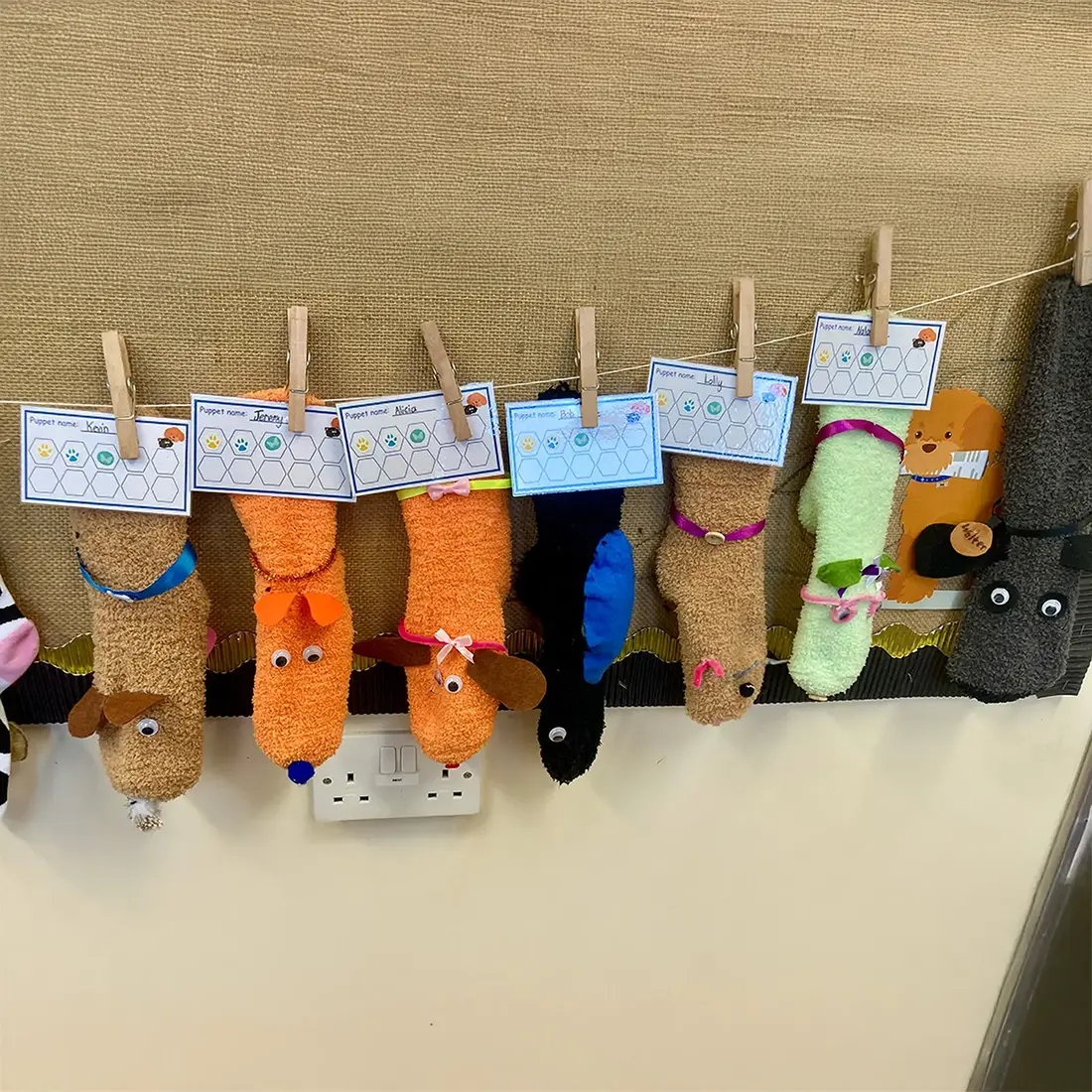
St Mary's sock puppets

When to seek additional help

If a child’s anger is frequent, intense, or significantly impacts their learning, relationships or wellbeing, additional support may be needed from pastoral staff, SEND teams or mental health professionals. 

Indicators for further support include: 

  • Repeated explosive outbursts that affect relationships or disrupt learning
  • Ongoing physical aggression or self-harming behaviours
  • Persistent low mood, fear of ‘being bad,’ or signs of trauma
  • Difficulty regulating without adult intervention

  • Withdrawal or refusal to engage due to fear of ‘being bad’ or ‘getting it wrong’

It’s important to seek guidance from pastoral staff or mental health professionals when anger or strong emotions become prolonged or overwhelming. Early support can make a lasting difference. 

Every child deserves to feel that their big feelings are understood and manageable. By creating safe, supportive school environments and teaching practical ways to cope, we can help children grow into emotionally strong, self-aware individuals who handle life’s challenges with confidence.

How our Exploding me programme helps

Our Exploding me programme supports children to understand, express and manage strong feelings such as anger. Being able to explore what's going on inside their bodies and minds when they feel overwhelmed helps children develop emotional literacy and self-awareness. Through shared discussion, relational connection and simple regulation activities, children begin to understand that they are not alone with their big feelings. 

Through the discussions and activities, the children will: 

  • Recognise what is happening inside their body and brain when they feel angry or overwhelmed, 

  • Understand that anger is a valid emotion and can be a response to feeling hurt, scared or powerless, 
  • explore healthy and safe ways to notice, regulate and manage angry feelings,
  • develop language to express strong emotions and begin to ask for help or connection, 
  • discover supportive strategies to release and calm angry feelings. 

Our wellbeing resources are thorough, detailed and time-saving, giving pastoral staff the tools and language to support safe conversations, build emotional literacy and strengthen children's confidence in managing their emotions. 

Hamish & Milo Exploding me Anger and conflict
Hamish & Milo Session Plans Exploding me
SEMH Resources Hamish Milo Exploding me