Helping children with conflict resolution

How to support and teach primary children to deal with conflict in school – practical SEMH strategies, classroom tips, and information on our Actions, words and me conflict resolution programme. 

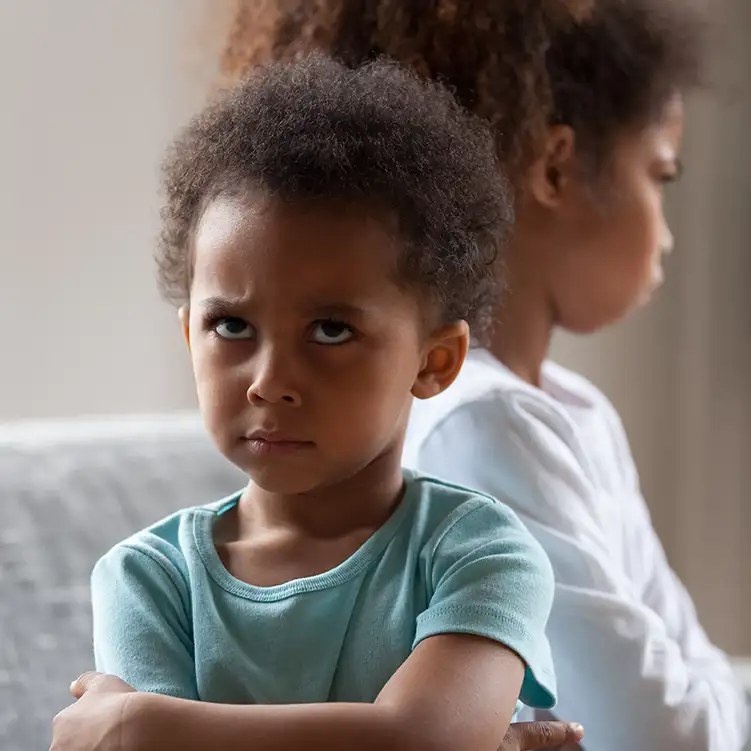
Conflict is a natural part of life and relationships. It happens when people have different needs, views or feelings, and those differences come into tension. For children, this can involve arguments, misunderstandings and hurt feelings, and it can be especially confusing and upsetting for children who are still learning how to communicate and understand emotions. 

While conflict can feel uncomfortable, it is also a powerful opportunity for growth. Learning how to navigate disagreements with empathy, courage, and respect is an essential skill that helps children build strong, healthy connections with others. With the right support, children can learn to disagree respectfully, listen carefully, and find shared solutions that leave everyone feeling heard. 

By practising empathy, communication and repair, children develop the social and emotional skills that will help them build stronger friendships, manage challenges and form healthy relationships throughout life. 

Common conflict scenarios for children

  • Frequent headaches, tummy aches, nausea, digestive issues, or unexplained aches and pains.

  • Feeling left out, disrespected or unfairly treated
  • Struggling to share or take turns 

  • Misunderstandings over words or actions 

  • Feeling hurt by someone's behaviour but not knowing how to express it 

  • Not feeling listened to or respected in group situations 

Helping children to explore these moments in a safe, supportive environment allows them to practise and build essential life skills and build confidence in handling conflict constructively. 

Developing social and emotional skills Social awareness

Supporting children with conflict resolution in school

Create safe spaces for expression 

  • Offer opportunities for children to talk about tricky social situations in small groups or in circle time. 

  • Validate the emotions behind conflict before moving on to problem-solving. 

  • Encourage children to recognise and name the feelings beneath disagreements. 

Teach conflict resolution skills explicitly 

  • Use structured activities or SEMH programme like Hamish & Milo Actions, words and me to build children’s ability to share their experience, listen to each other, and develop empathy and find solutions.

  • Encourage children to practise conflict resolution scripts and role-play common scenarios.

  • Teach the importance of both speaking up and actively listening carefully in order to find fair solutions. 

Build a restorative culture

  • Shift the focus from blame and punishment to understanding, repair and reconnection. 

  • Support children to reflect on their actions and take responsibility. 

  • Encourage ways of 'making things right' and moving forward positively. 

Practical conflict resolution strategies for children 

  • Use "I feel" statements: Teaching children to express emotions clearly and communicate effectively, e.g. "I feel upset when I don't get a turn" or "I feel hurt when you say that." When children express their feelings using "I" statements, it helps others understand their perspective without feeling attacked. 

  • Active listening games: Helping children practise active listening and show they understand others' feelings. 

  • Empathy circles: Encouraging children to put themselves in someone else's shoes. 

  • Calm down strategies: Techniques to help children manage big feelings before responding (e.g. breathing, stepping away briefly) 

  • Repair scripts or cards: Using phrases such as like "Can we talk about what happened?", "I didn't mean to hurt you" or "Let's find a way to make this better for us both." 

  • Conflict role-play: Practising conversations around friendship and peer issues, misunderstandings and different opinions. 

These approaches help children to value their own voice while respecting others. Conflict resolution is not about winning – it's about understanding, respect and repair. 

When conflict needs further support 

Sometimes conflict escalates or reflects deeper emotional needs. Additional help may be needed when: 

  • Disagreements frequently lead to emotional outbursts or aggression 

  • A child feels consistently hurt, excluded or misunderstood 

  • There's a pattern of controlling, unkind or exclusionary behaviour 

  • A child avoids others or struggles with social anxiety 

  • Conflict causes significant distress and affects learning or friendships 

In these cases, working alongside pastoral staff, trusted adults and possibly external support services can help create a safe, relational approach to rebuilding trust and confidence. 
Sock Puppet Therapeutic Sock Puppet Kits

How our Actions, words and me programme helps

Hamish & Milo Actions, words and me gives children the chance to explore conflict through a relational, emotionally safe lens and supports them to understand what conflict is, what it feels like, and how to respond in a way that values their own voice while respecting others. 

Children are guided through practical, expressive activities that explore real-life situations and give them the tools to resolve and repair relationships with confidence and care. Through the discussion and activities, the children will: 

  • explore different types of conflict and begin to recognise the feelings beneath them, 

  • understand why listening and hearing other perspectives is key to resolving conflict, 

  • practise expressing their own thoughts and standing up for themselves, 

  • recognise the importance of empathy and the power of repairing relationships, 

  • develop communication scripts and tools for resolving disagreements peacefully and fairly. 

Our Actions, words and me resources are practical, time-saving, and rooted in emotional literacy. They give pastoral and teaching staff a structured approach to supporting children through the tricky dynamics of peer conflict while nurturing empathy, resilience and self-expression. 

Hamish & Milo Session Plans Action, words and me
SEMH Resources Hamish Milo Actions Words and me