Supporting PSED in the early years
A structured, relational approach to Personal, Social and Emotional Development (PSED).
PSED underpins children’s wellbeing, relationships, learning and development. Strong PSED provision gives young children repeated opportunities to develop emotional awareness, confidence, regulation and positive relationships through safe, responsive relationships and developmentally appropriate experiences.
Hamish & Milo Foundation supports early years practitioners to embed these foundations through a structured, play-based approach grounded in child development, attachment-aware and relational practice, emotion coaching and co-regulation.
Designed specifically for children aged 3–5, the programme is carefully aligned with the Early Years Foundation Stage (EYFS) prime area of Personal, Social and Emotional Development and supports progression across Self-Regulation, Managing Self and Building Relationships.
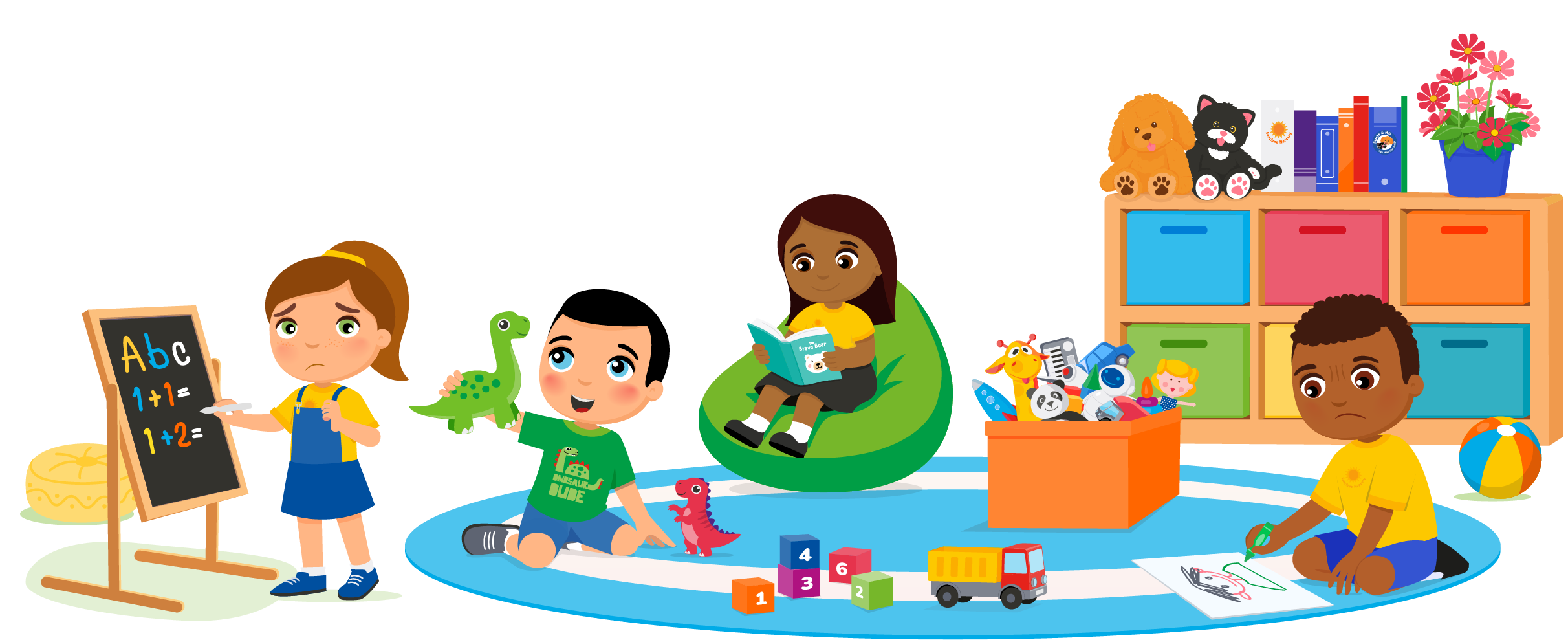
Supporting the key areas of EYFS PSED
Development Matters provides important developmental pathways for PSED provision for children aged 3–4 and Reception. Hamish & Milo builds on these pathways by recognising Self-awareness as an important foundation underpinning the three key areas of EYFS PSED.
Self-awareness: the foundation for PSED
The EYFS identifies three key areas of PSED: Self-regulation, Managing self and Building relationships. At Hamish & Milo, we begin one step earlier, with Self-awareness, which we see as an important developmental foundation underpinning these three areas.
Through warm, responsive relationships and playful experiences, children begin to notice and name their emotions, recognise physical and emotional cues, explore their strengths and preferences, and develop a growing sense of identity, agency and belonging.
Amazing me, Amazing us therefore begins with Self-awareness, supporting children to develop a stronger understanding of themselves as a foundation for emotional literacy, self-regulation, managing themselves and building positive relationships.
Self-regulation
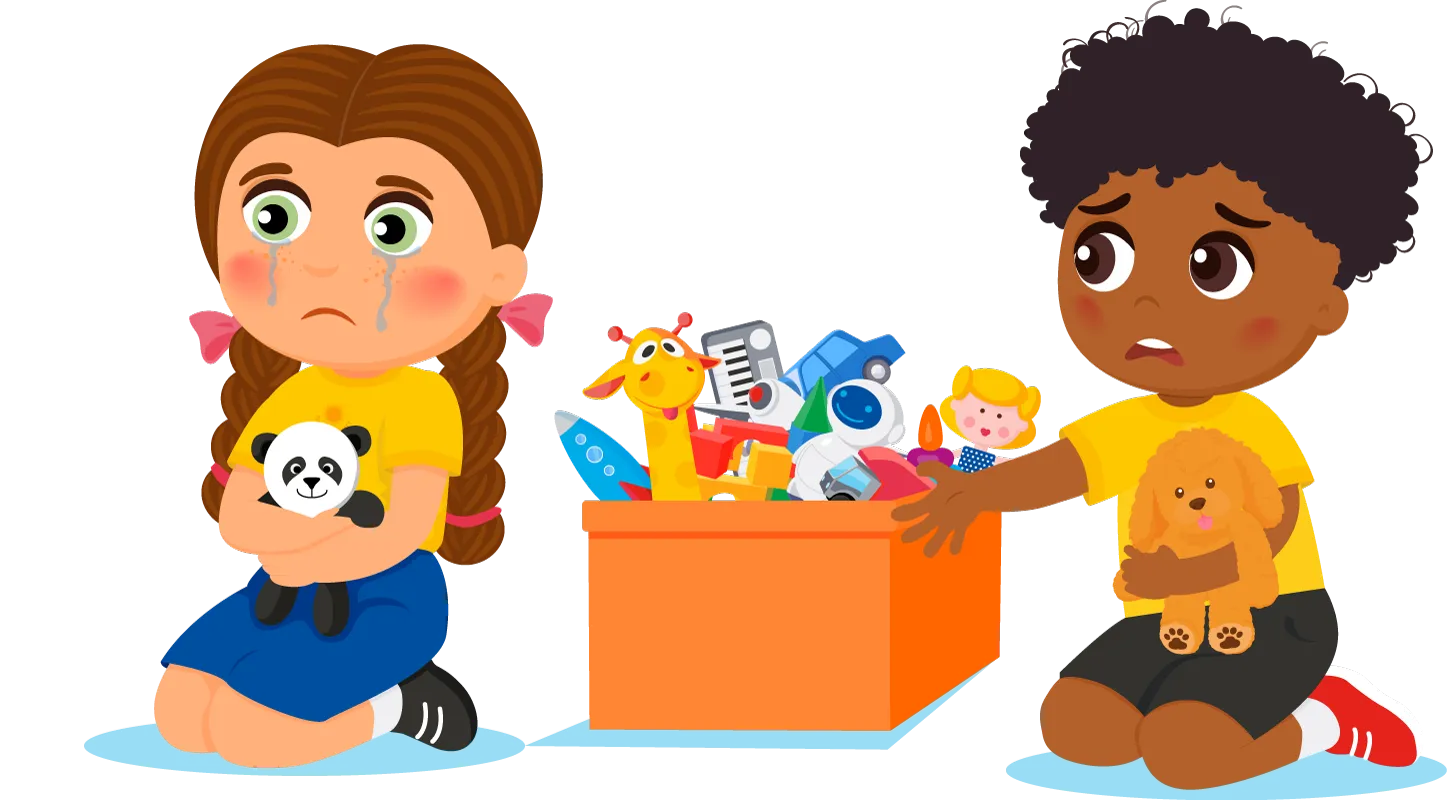
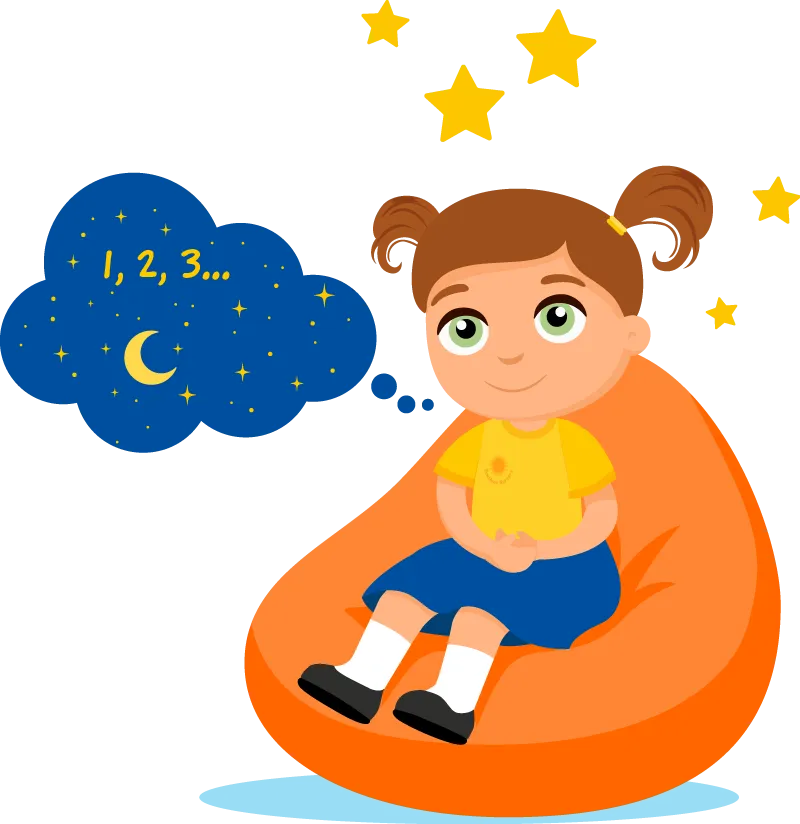
Strong PSED provision supports children to develop emotional awareness and language, recognise and communicate feelings and begin to understand how emotions can feel in their bodies.
Central to this is co-regulation. Young children are still developing the ability to regulate their emotions, thoughts and behaviour independently and rely on calm, emotionally available adults to help them feel safe and supported when feelings become overwhelming.
Through modelling, emotional language, predictable routines and shared strategies, children can gradually develop their ability to recognise feelings, seek help, manage impulses and frustrations, focus and direct their attention, wait for what they want and adapt their responses in different situations.
Playful experiences also provide opportunities to practise persistence, flexible thinking and recovering when things do not go to plan, helping to develop the executive function skills that support self-regulation.
Managing self
Strong PSED provision supports children to build confidence, independence, resilience and a growing sense of themselves as capable individuals.
Through familiar routines and playful experiences, children have opportunities to make choices, try new things, work towards simple goals, follow expectations and persevere when something feels difficult. Encouragement and positive interactions help children take pride in their achievements, develop a growing sense of agency and recognise what helps them feel calm, safe and able to participate.
As confidence and independence develop, children can be supported to manage their own needs, make appropriate choices and understand the simple rules and routines that help themselves and others feel safe and included.
Building relationships
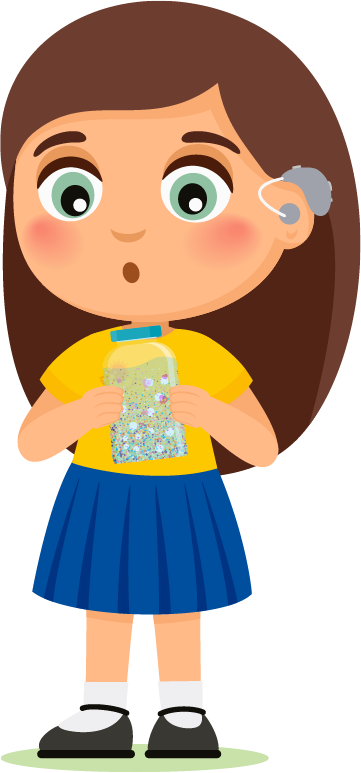
Strong PSED provision supports children to develop positive relationships with trusted adults and peers and experience a strong sense of connection and belonging.
Through play and interaction, children have repeated opportunities to cooperate, take turns, share, listen and respond to others, practise kindness and empathy and begin to recognise that other people may have different feelings, thoughts and perspectives. Supportive adults can help children navigate disagreements and setbacks, communicate their needs, solve problems together and repair and reconnect when things go wrong.
These experiences help children develop the skills they need to form friendships, play and work cooperatively and respond to others with empathy, sensitivity and care.
Looking at the foundations that support PSED
Children do not suddenly acquire self-regulation, independence and relationship skills.
These capabilities develop gradually through their relationships, experiences and interactions with the adults and children around them. Strong PSED provision recognises and supports the developmental foundations that help children make progress across the three areas of EYFS PSED, including:
This helps practitioners look beyond what a child can or cannot yet do and consider the social and emotional development that may be influencing their progress.
Relational practice at the heart of PSED
Emotional safety, secure and trusting relationships, and a sense of belonging are at the heart of strong PSED practice.
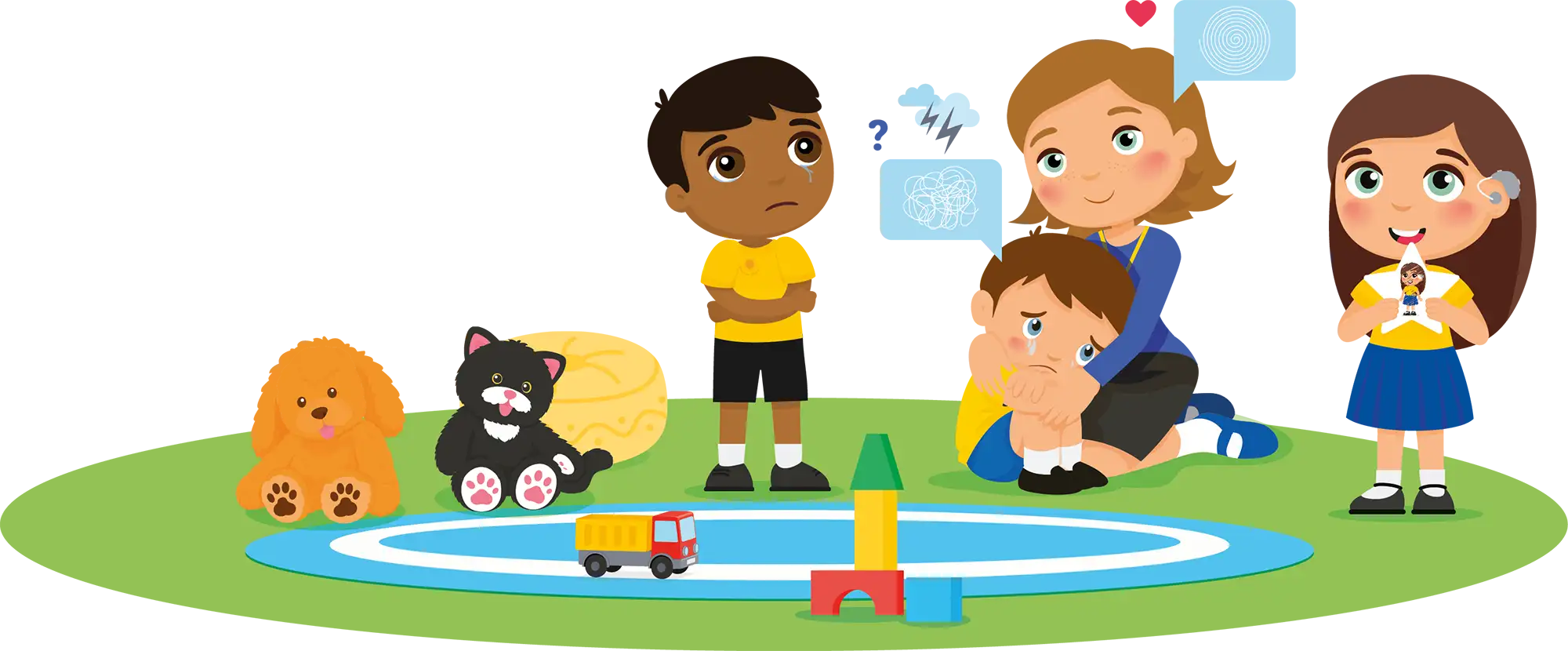
Young children develop social and emotional skills through their relationships with trusted, emotionally available adults. Warm, attuned and responsive interactions help children feel safe and understood, creating the conditions in which they can explore feelings, build confidence and connect with others.
Hamish & Milo Foundation supports practitioners to create calm, predictable and emotionally safe experiences. Adults are encouraged to model emotional language, validate feelings, support co-regulation and help children navigate challenges, solve problems and reconnect when things go wrong.
Understanding behaviour as communication also helps practitioners look beyond what a child is doing and consider the underlying feeling, need or developmental difficulty they may be trying to communicate.
Through repeated experiences of feeling safe, understood and supported, children can gradually develop greater emotional awareness, confidence, regulation and independence.
Emotional literacy: helping children understand and communicate feelings
Children often experience powerful feelings before they have the words to describe them. Developing emotional language helps children begin to connect body sensations, experiences and feelings, giving them ways to communicate what is happening for them and seek support.
Visual resources, stories, puppets, role play, emotional check-ins, creative activities and repeated adult modelling can help make emotional language accessible to young children.
Children learn that all feelings matter, while beginning to discover safe and helpful ways to communicate and respond to them.
PSED activities through play, connection and experience
Young children learn through relationships, play, repetition and experience.
Social and emotional development can be explored through movement, stories, sensory experiences, creativity, characters and interaction with others. These experiences provide natural opportunities to practise:
A familiar and predictable structure supports emotional safety while repetition helps children revisit and embed their learning.
Observe PSED development and demonstrate progress
Social and emotional development does not always lend itself to simple measures, particularly with very young children.
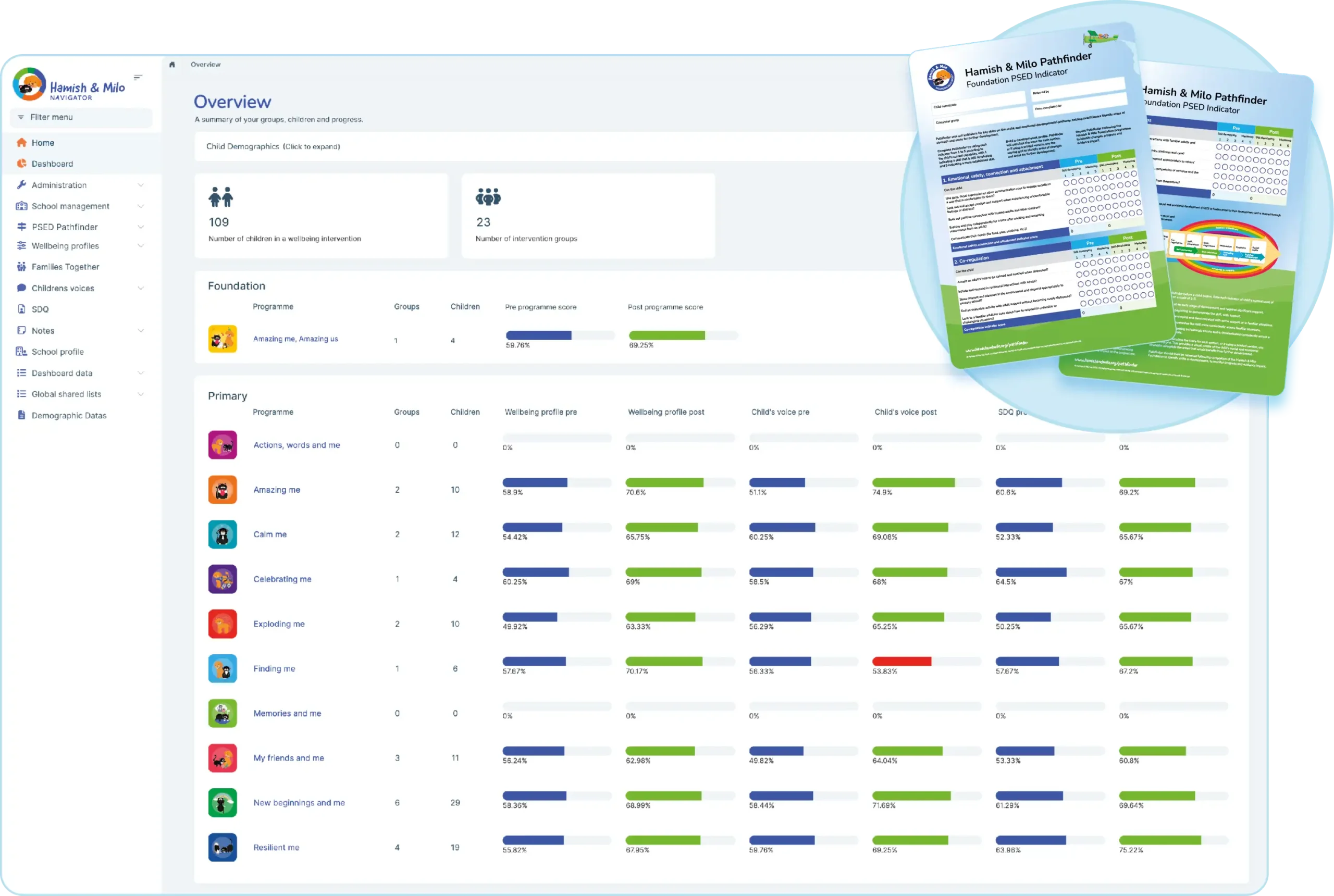
Hamish & Milo Foundation includes Pathfinder, our Early Years PSED observation and progress tool, designed around key areas of early social and emotional development.
Practitioners can reflect on children’s developing capabilities across:
Pathfinder supports professional observation, helps identify strengths and emerging needs and provides a consistent approach to recognising progress over time.
Practitioners can add Pathfinder scores, contextual information and observations to Navigator. By bringing this information together digitally, Navigator makes it easier to see patterns of development and change across individual children, groups and cohorts over time.
Looking for a structured early years PSED programme?
Hamish & Milo Foundation is our 10-week social and emotional literacy programme, created specifically for nursery and reception to support children aged 3-5 in developing the foundational social and emotional, self-awareness and relationship skills they need to thrive in early childhood and beyond.
This nurturing, play-based programme introduces children to the early language of emotions, sensations, relationships and self-awareness through creative activities, sensory experiences, circle times, role play and puppets, guided reflection and discussion.
A familiar and predictable structure supports emotional safety while repetition helps children revisit and embed their learning.