Glemsford Primary Academy, Suffolk
Our Hamish & Milo story
Glemsford Primary Academy, Suffolk is a vibrant and welcoming village school at the heart of its local community.
As part of the Unity Schools Partnership Multi-Academy Trust, the school benefits from being part of a wider network, providing access to shared expertise, high-quality training, and enriched opportunities for pupils to connect and collaborate beyond their immediate setting.
Central to the school’s ethos is a strong focus on inclusion, wellbeing, and the development of the whole child. Staff recognise that children’s readiness to learn is closely linked to their emotional wellbeing, sense of belonging, and wider life experiences. There is a proactive and responsive approach to supporting pupils with additional needs, including those with emerging special educational needs, social, emotional and mental health (SEMH) needs, and families who may benefit from early help.

Vision and values: trust, ambition and collective responsibility
At the heart of Glemsford Primary Academy are three core values: trust, ambition, and collective responsibility. These values underpin all aspects of school life and shape the way the school works in partnership with children, families, and the wider community.
As part of the Unity Schools Partnership, the academy is proud to contribute to a wider vision in which academic success is closely linked with confidence and responsibility. This is reflected in the Trust’s commitment to developing:
Together, these values provide a strong foundation for Glemsford Primary Academy’s approach to wellbeing, inclusion, and positive relationships. They closely align with the aims of the Families Together parent/carer programme, particularly in fostering strong partnerships, early support, and a shared commitment to ensuring every child thrives.

Engagement with Families Together and wider Suffolk initiatives
Glemsford Primary Academy first became aware of the Hamish & Milo Primary Programme through ELSA supervision and identified its potential to strengthen their PSHE curriculum, particularly in relation to early intervention and the development of pupils’ social and emotional skills.
Having learned about the Families Together project, funded by Public Health Suffolk and delivered in collaboration with Suffolk’s Delivering Better Value in SEND (DBV) programme, the school was keen to take part. They made the strategic decision to begin with the family programme as a foundation before embedding the wider approach across the school.
The school’s involvement aligns closely with Suffolk’s strategic priorities, particularly within the DBV programme, which focuses on improving outcomes for children and young people with SEND while ensuring long-term sustainability. This work places strong emphasis on early intervention, inclusive practice, and reducing the escalation of need through timely and effective support.
Through participation in the programme, the school has:

This approach supports the school’s ethos by helping children feel safe, understood, and ready to learn, while reducing the need for more intensive interventions over time.
Implementation
The programme was led by ELSAs and teaching assistants Clare Bourn, Amanda Myerscough, and Natalie Nicholls, with oversight and support from the SENCo, Sarah Donnelly.
The school was keen to begin implementation early in order to proactively support families. While there was initial uncertainty about how the family-focused element would be received, there was a strong collective commitment to giving the programme a meaningful trial.
One of the early challenges was staff capacity and the logistics of delivery. To address this, three staff members were trained, enabling a flexible team approach. While it was not always possible for all staff to attend every session, they worked collaboratively, with different members leading sessions while maintaining consistency. The first session was delivered together to establish relationships, set expectations, and create a positive group dynamic.
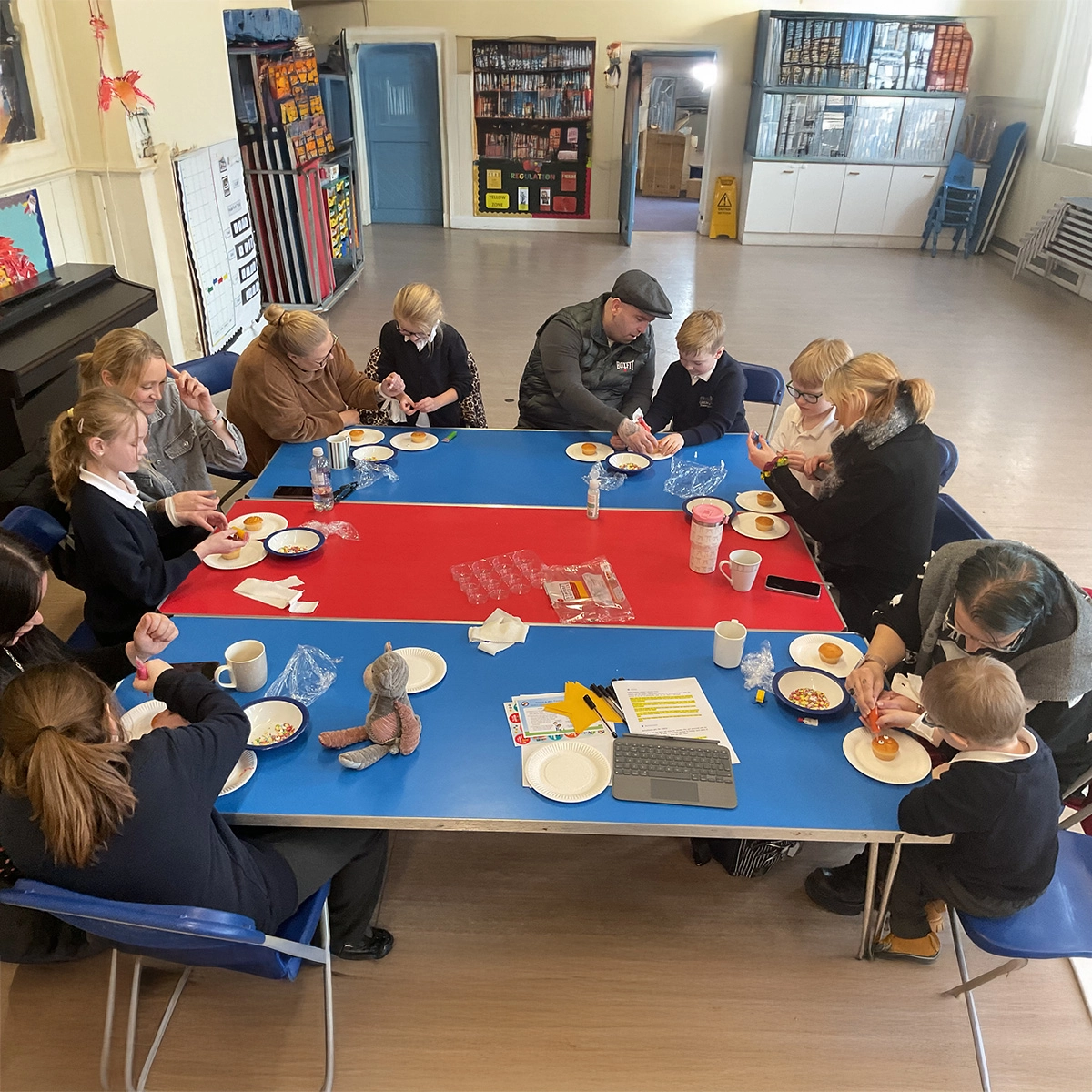
Eight families were invited to participate, with six accepting. The group was carefully selected to support early intervention and connection. Attendance was strong throughout, with participants including mothers, a father, and a grandparent, all demonstrating commitment to the programme.
Staff initially recognised some natural apprehensions, particularly around working directly with parents rather than children.
These concerns included:
However, these challenges were overcome through teamwork, mutual support, and a willingness to learn through experience.
There were also initial concerns about whether families would commit to a ten-week programme. In practice, attendance and engagement were strong, with children’s enthusiasm playing a key role in encouraging continued participation.
“I have loved the format, the activities and the reflection within each session. My favourite session that I delivered was Celebrating me when they made the family sock puppet pets. Everyone had fun and really engaged in the activity.”
Clare Bourn, Teaching Assistant

Impact and outcomes
The Families Together programme at Glemsford Academy has had a positive and measurable impact on children, families, and staff. One of the most significant outcomes has been the strengthening of relationships both between families and with the school and the group themselves even forming a network beyond the group sessions.
“It surprised me how much the parents connected, they really opened up and shared everything and now even meet up outside of the group.”
Clare Bourn, Teaching Assistant
Most significant outcomes

Highlights
“I have loved the humanness of the programme, there is no judgement, we could really bond altogether.”
Clare Bourn, Teaching Assistant
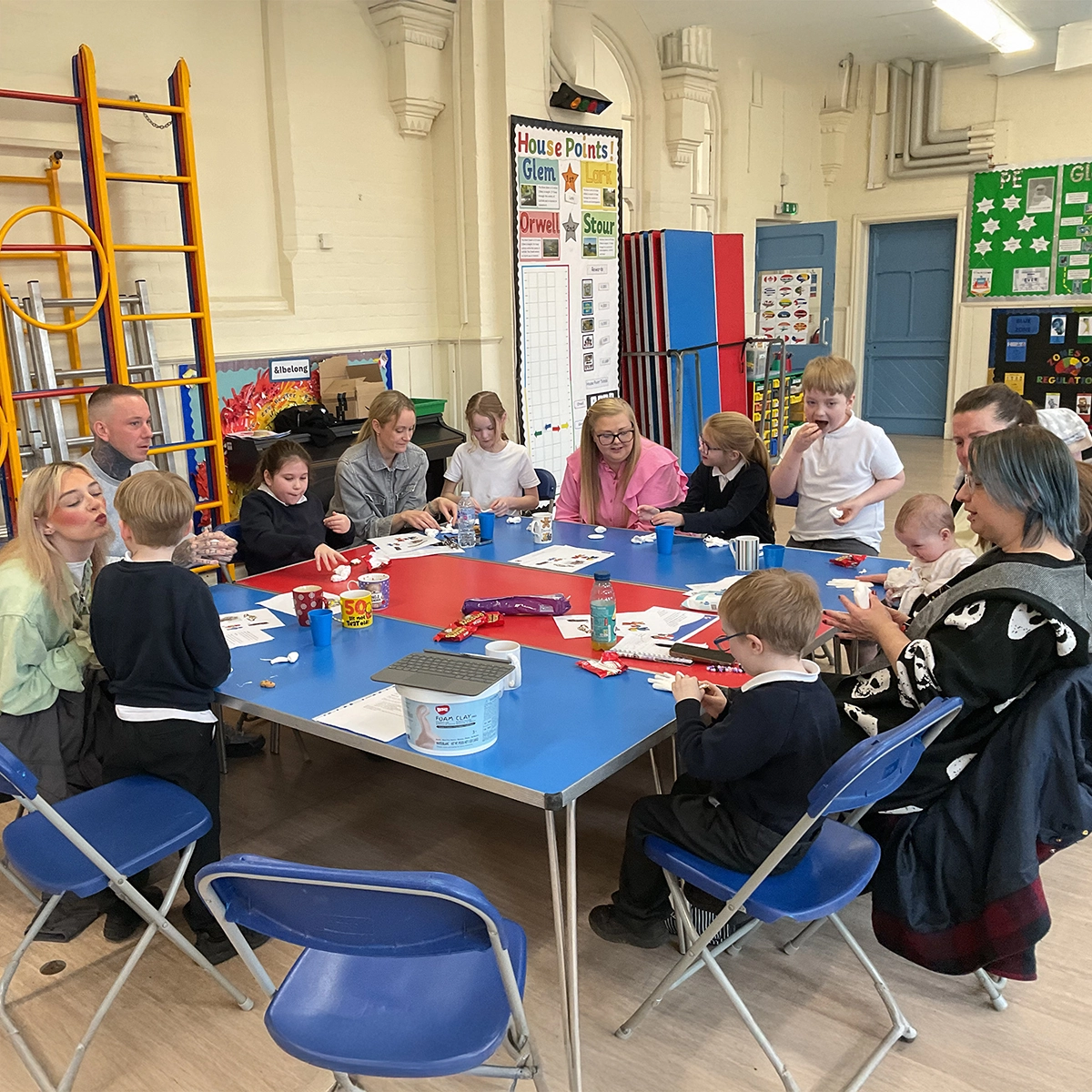
“Another was the Resilient me session when they decorate cupcakes with their hands tied together. It was really powerful in them persevering and having fun together.”
Clare Bourn, Teaching Assistant
Summary
The Families Together programme at Glemsford Primary Academy has had a significant positive impact, strengthening relationships, enhancing emotional understanding, and building confidence in both children and their parents. It has also deepened staff understanding of family needs, further strengthening the school’s capacity to provide timely, effective early support.
The school is committed to sustaining this momentum and continuing to build on the programme’s success, ensuring ongoing support for children and families and embedding this relational, early intervention approach within its wider practice.