St Peter and St Paul CE Primary School, Eye in Suffolk
Our Hamish & Milo story
St Peter and St Paul Primary School is a small, rural primary school located in the historic market town of Eye in Suffolk.
St Peter and St Paul CE Primary School is a small, rural primary school located in the historic market town of Eye in Suffolk. The school serves a close-knit community, drawing pupils from the town and surrounding villages. Like many rural schools, it benefits from strong relationships with families, while also facing challenges linked to geographic isolation, access to services, and varying levels of socio-economic need.
The school has a strong ethos centred on inclusion, wellbeing, and supporting the whole child. Staff prioritise emotional wellbeing, recognising that children’s readiness to learn is closely linked to their mental health, family circumstances, and sense of belonging. There is a clear awareness of the needs of children with additional vulnerabilities, including those with emerging special educational needs, social, emotional and mental health (SEMH) needs, and families requiring early help support.

Vision and values: nurture, flourish and serve
At the heart of the school is a clear and meaningful vision: Nurture, Flourish and Serve. These values underpin all aspects of school life and shape the way the school supports its children, families, and wider community.
This vision is encapsulated in the school’s guiding statement:
Together, these values provide a strong foundation for the school’s work, particularly in supporting wellbeing, inclusion, and positive relationships, principles that are closely aligned with the aims of the Families Together programme.
Engagement with Families Together and wider Suffolk initiatives
St Peter and St Paul CE Primary became involved in the Hamish & Milo Families Together project through a shared commitment to strengthening relationships between school and home, and supporting children’s emotional wellbeing through early, preventative intervention.
Funded by Public Health Suffolk, the project aims to improve outcomes for children and families by building strong, trusting relationships, developing emotional literacy, and promoting positive behaviour through relational approaches.
The school’s involvement also aligns with Suffolk’s Delivering Better Value in SEND (DBV) programme, which focuses on improving outcomes for children and young people with SEND while ensuring long-term sustainability. This work emphasises early intervention, inclusion, and reducing the escalation of need.
Through participation in the Families Together project, the school has been able to:

This approach aims to help children feel safe, understood, and ready to learn, while reducing the need for more intensive interventions over time.
Facilitators – Elle and Kerry
The programme has been led by two skilled and friendly facilitators, whose professional expertise and lived experience significantly enhance its impact.
Kerry is an experienced Early Years Teaching Assistant. Prior to working in school, she spent many years as a nanny, developing a deep understanding of children’s needs within the home environment. As a parent of children with additional needs, she brings empathy, authenticity, and practical insight, enabling her to build strong, trusting relationships with families.
Elle is the school’s Emotional Literacy Support Assistant (ELSA) and Mental Health Lead. She has experience supporting children with social, emotional and mental health needs. As a parent, and with personal experience of mental health within her family, Elle brings a compassionate, non-judgemental approach. Her role also ensures strong links between the programme and the school’s wider wellbeing provision.
Together, they create a warm and supportive environment where families feel safe to share experiences, build confidence, and develop strategies. Their combined strengths are central to fostering trust, reducing stigma, and strengthening home–school relationships.

Impact and outcomes
The Families Together programme has had a significant and measurable impact on children, families, and staff. A key outcome has been the strengthening of relationships both between families and with the school.
Staff observed notable improvements in confidence, communication, and connection:

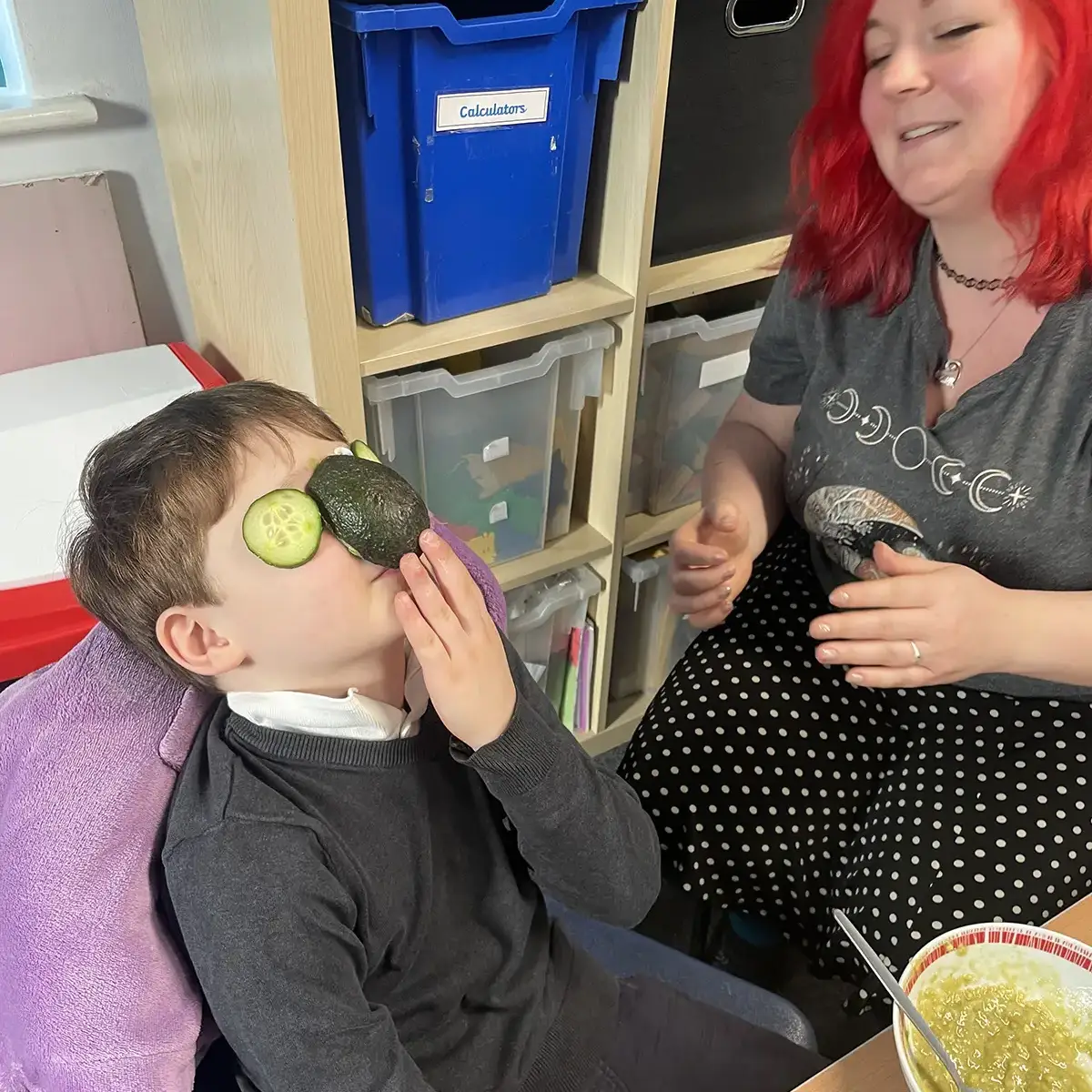
Children engaged enthusiastically in creative, hands-on activities such as sock puppets, cake decorating, and the marshmallow bridge. These activities supported collaboration, communication, and emotional expression.
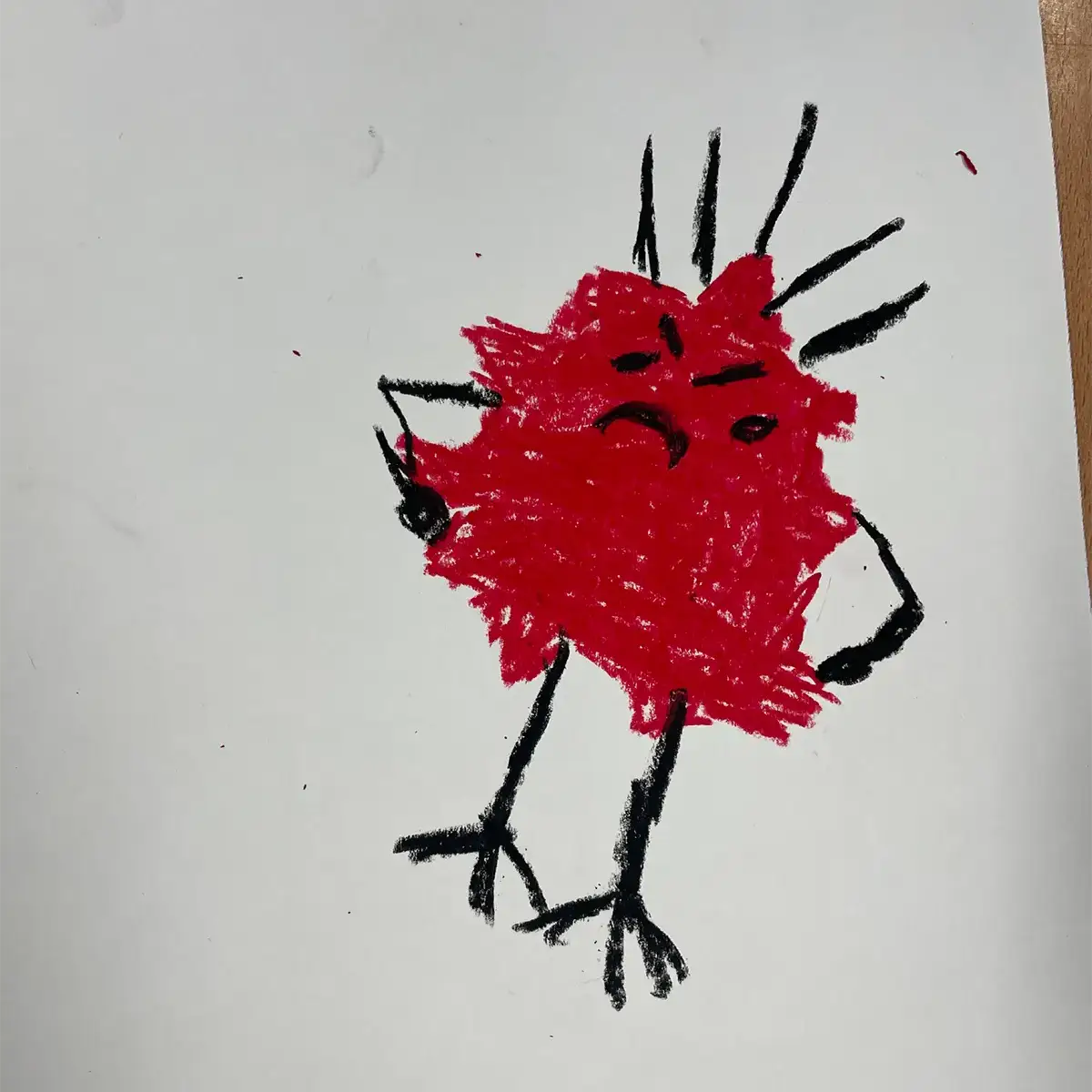
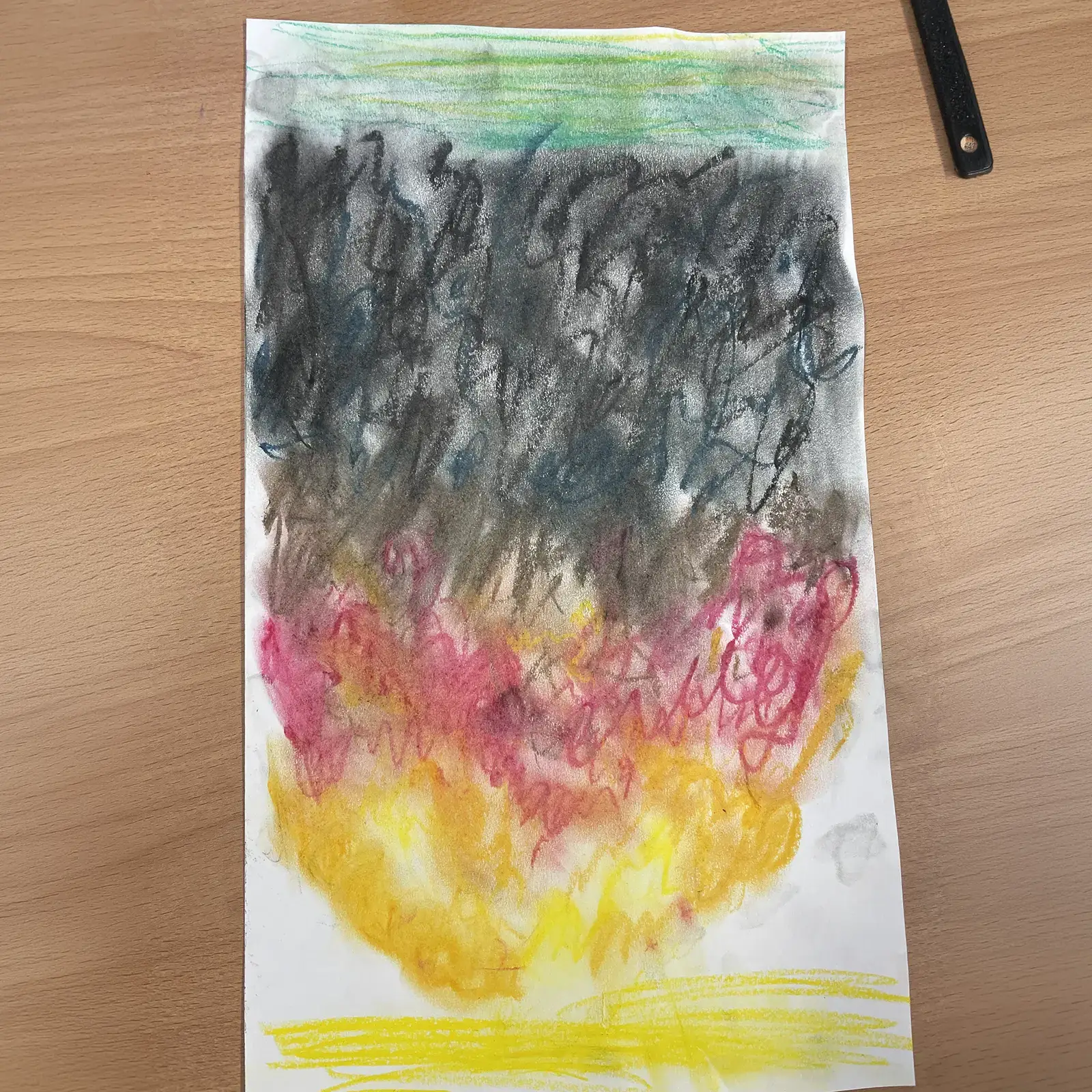
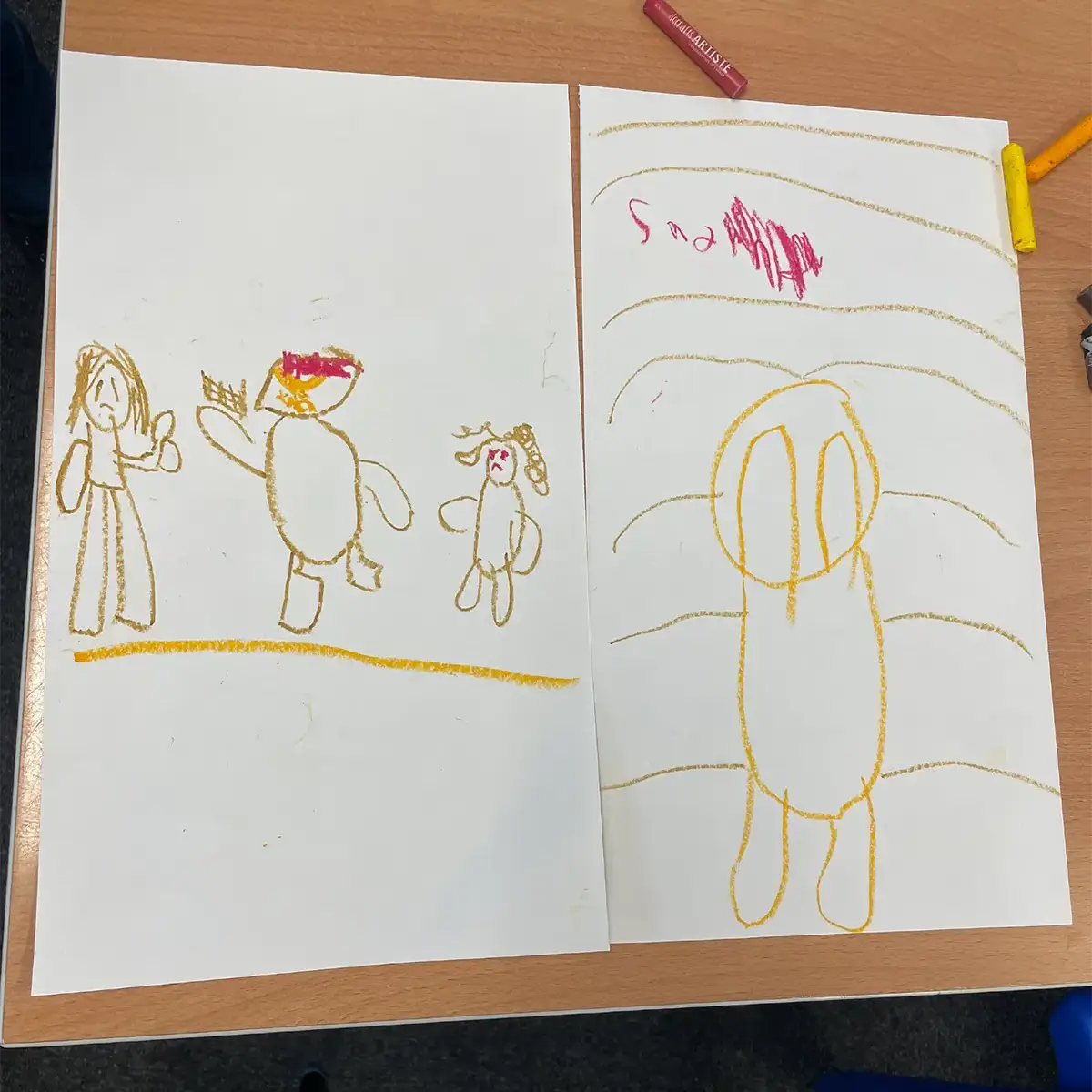
“The children really enjoyed the activities… Some were able to talk about their anger with more clarity after the artwork we created.”
Parents reported increased confidence in supporting their children, particularly through the shared strategies and language introduced during sessions. This impact extended beyond the sessions into the home.
“It was helpful for the parents to learn the strategies and language to support their children.”
Staff also gained valuable insight into family contexts:
“Us as staff found it very helpful to know how to support these families as they opened up and told us more about their homelife and parenting struggles.”

Overall, the programme has supported a shift towards more open, trusting relationships between families and school, enabling earlier and more effective support.
Voices from Families and Children
Feedback highlights the depth of relational and emotional impact:

Children also shared their enjoyment and sense of achievement:
“I loved making the sock puppets. That was the best week. And decorating the cakes.”
“It was hard doing the bridge but eating the marshmallows after was really good and we worked together.”
The impact extended into family life:

Parents also noted improvements in their own wellbeing:
“I loved seeing my daughter be creative and she liked to be in charge. It was great helping her.”
“I don’t worry as much anymore. It’s made me less anxious.”
Summary
The Families Together programme at St Peter and St Paul has been highly impactful, strengthening relationships, improving emotional understanding, and increasing confidence in both children and parents. It has also deepened staff understanding of family needs and enhanced the school’s ability to provide early, effective support.