Every child achieving and thriving:
Why inclusion, belonging, SEL and school communities matter
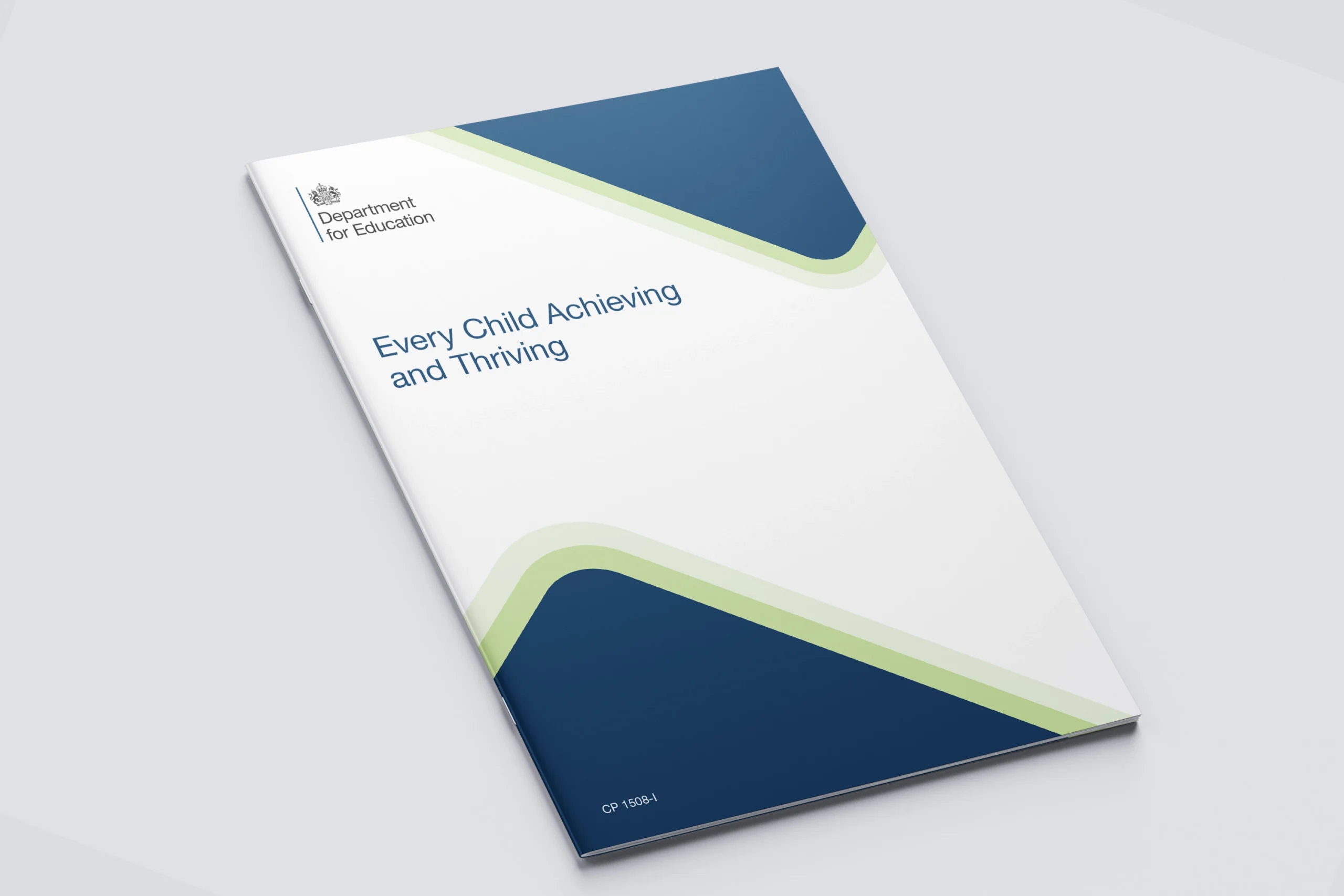
The Government’s Every Child Achieving and Thriving white paper sets out an ambitious vision: high standards, inclusion for all, and targeted support where it is needed most.
It recognises that achievement is not only about academic attainment, but about whether children feel safe, included and able to flourish. However, if this vision is to move from policy into lived classroom experience and equip children for life beyond school, several elements must be deeply embedded, not peripheral.
Inclusion is the foundation of achievement
Inclusion is more than placement or access to curriculum content. It is about belonging. Children learn best when they feel:
Belonging directly influences relationships, emotional safety, self-esteem, engagement, resilience and persistence. When children feel psychologically safe, they are more willing to take learning risks, manage challenges, connect with their peers and recover from setbacks.
Inclusive practice must therefore be relational as well as structural.

Social and emotional skills must be explicitly taught
Self-regulation, empathy, communication, problem-solving and resilience are not automatic developmental outcomes.
They must be:
A whole-school approach to Social and Emotional Learning (SEL) ensures that these skills are taught universally, embedded consistently, and reinforced across classrooms, playgrounds and pastoral spaces.
Thriving children are not simply compliant, they are emotionally literate, socially capable and increasingly self-aware.

Targeted, evidence-based intervention is essential for equity and engagement
Universal provision alone is not enough.
Some children need:
Targeted, evidence-based SEL interventions bridge the gap between policy, ambition and individual need. When delivered with fidelity and relational warmth, they improve self-esteem and confidence, regulation and long-term engagement with learning and improve behaviour.
This tiered model; universal, targeted and specialist must be intentional and coherent.
Teaching assistants and pastoral staff are central to children thriving
The white paper recognises workforce development. But if inclusion is to succeed, teaching assistants and pastoral staff must be positioned not as peripheral support, but as instrumental agents of change. They are often:
Investing in their expertise, supervision and wellbeing is not optional, it is essential to enable all children to thrive.
Families and communities are part of the inclusion ecosystem
Children do not exist in isolation from their families. True inclusion:
When schools actively nurture these partnerships, children experience coherence rather than fragmentation.

Where Hamish & Milo fits in
At Hamish & Milo, we believe emotional wellbeing and learning are inseparable. Our approach supports:
Whole-school belonging
Targeted intervention
Adult development
Family partnership
If the ambition of Every Child Achieving and Thriving is to become reality, we must move beyond attainment metrics and invest in belonging, relationships, emotional skill development and the adults who make this possible every day.
Because when children feel they belong, they are able achieve and enjoy the opportunities around them. We need to be the change and to ensure that education offers an inclusive, innovative and empowering approach and curriculum that equips our children for life within school and more importantly beyond.